Strengthening National Responsibility for Suicide Prevention... AI to Predict Risk, Publish Local Government Evaluations
Government Finalizes Sixth Basic Plan for Suicide Prevention
Suicide Motive Classification Expanded from 7 to 27 Categories
Health Insurance and Social Welfare Data Integration Planned
Suicide Prevention Center Staffing and Treatment Cost Support Expanded
The government will expand suicide prevention policy from an initiative led by the Ministry of Health and Welfare to a whole-of-government effort, and establish a system that uses artificial intelligence (AI) to predict suicide risk. It will increase staffing at suicide prevention centers and introduce temporary protection services for suicide attempters, while also publishing evaluations of suicide rates and prevention efforts by local government.

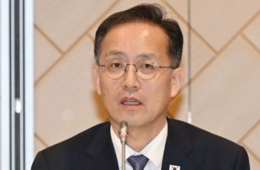
On October 12, the government held the 11th Suicide Prevention Policy Committee meeting, chaired by Prime Minister Han Seongsook, and deliberated on and finalized the “Sixth Basic Plan for Suicide Prevention.” The plan consolidates and coordinates the national suicide prevention strategy established in September 2025 and the subsequent measures announced for nine key areas, elevating them to a statutory basic plan.
The government is pursuing a whole-of-government response because suicide is tied not only to mental health but also to a range of socioeconomic factors, including debt, poverty, isolation, caregiving burdens and academic stress. The goal is to move beyond the limits of prevention policies previously led by the Ministry of Health and Welfare and strengthen the responsibility of each ministry to directly address risk factors in its area of jurisdiction.
The number of suicide deaths in South Korea has recently been declining. There were 14,144 suicide deaths last year, down 728, or 4.9%, from the previous year. According to provisional statistics from the Ministry of Data and Statistics, 7,432 people died by suicide from January to July this year, 1,043, or 12.3%, fewer than the 8,475 deaths recorded in the same period last year.
The vision of the new basic plan is “A society where protecting life is fundamental, and a South Korea that honors life, built on a strong foundation (B.A.S.I.C.).” Its goal is to reduce the suicide rate from 29.1 in 2024 to 18.9 or lower by 2030, a reduction of 33.3%. Its five strategies are: ▲a safety net to protect life; ▲proactive identification and prevention; ▲addressing structural root causes; ▲tailored, integrated suicide prevention policies; and ▲strengthening national and social responsibility.
First, the government will establish a National Suicide Response Office to strengthen the national response to suicide crises. The office will verify the circumstances surrounding suicide attempts and manage and support local responses. Staffing at suicide prevention centers will also increase from an average of five people per center to 7.1 next year.
People who attempt suicide but are not hospitalized will also be eligible for temporary protection services for up to 24 hours, including counseling and recovery support and referrals to necessary services. The number of regional psychiatric emergency medical centers will rise from 14 currently to 17 by 2030, while the number of Life Love Crisis Response Centers is set to increase to 103 by 2027. The cap on treatment cost support for suicide attempters will be raised in stages from the current KRW 1 million to KRW 1.5 million, and the cap on emergency hospitalization cost support from KRW 4.5 million to KRW 6 million. The government also plans to expand National Health Insurance coverage for treatment of treatment-resistant depression and increase family counseling support.
The government will also establish a system to identify people at risk of suicide early. Moving away from the existing approach of waiting for people to ask for help themselves, it will expand coordination between mental health care institutions and suicide prevention centers and actively identify at-risk individuals using tools such as the integrated platform for identifying households in crisis. The current suicide motive classification system, which groups motives into seven categories, including mental health, financial circumstances, illness and family problems, will be subdivided into four major categories, nine intermediate categories and 27 subcategories. The government will also build a foundation for linking and analyzing relevant data, including National Health Insurance records and histories of receiving social security benefits.
AI will also assist with repetitive tasks, such as preparing suicide prevention counseling logs and monitoring suicide-related content, so that professionals can focus on counseling high-risk individuals and managing cases. However, the AI-based prediction model is still at the research stage, and its development and use will be pursued as a follow-up task.
The plan also includes measures to address the socioeconomic causes of suicide. It aims to reduce gaps in support through long-term debt restructuring and strengthen efforts to prevent harm from illegal financial services and fraud. Policies will also address isolation and ease family caregiving burdens, in addition to providing support for low-income households and emergency living expenses. Prevention, treatment and welfare services will be coordinated to reflect the characteristics and risk pathways of each group, including students and young people, crime victims, people in high-risk occupations such as police officers, firefighters and military personnel, and bereaved family members of people who died by suicide. One-stop support for bereaved families will be expanded nationwide, and the government will also pursue the introduction of a “bereaved family protection officer” system to intervene immediately after a death, help determine its cause and provide emotional support.
Holding Ministries Accountable and Publishing Local Government Results
In particular, the government plans to strengthen local governments’ accountability by evaluating both suicide rates and efforts to implement prevention policies in each locality, and publishing the evaluation results. It will link awards and financial incentives to outstanding local governments. Evaluations, which have so far focused on whether a suicide prevention center has been established, will also be improved to take into account counseling records, reductions in suicide deaths and the scale of investment in prevention programs.
The government aims to deliver tangible policy results by 2030 by establishing a management system that covers the full process, from the preparation of implementation plans by ministries and local governments to evaluations of progress, publication of results, improvements and the provision of incentives.
Hot Picks Today
 "Jealous of Koreans" - Now a Must-Do on Every Trip... The Place Where Foreigners Spent KRW 229.8 Billion
- [Exclusive] Piling medicines into a basket and setting them on the counter: "Ready to check out?" ... Misuse concerns mount, but the government remains in the dark.
- September Auto Exports Total $6.05 Billion, Down 5.5% Amid Weak Used-Car Exports
- "I thought getting into a big company was the goal"... The 'position' only 1 in 121 employees reaches
- "Please Let Me Go Home"... Customers Trapped in Department Store Parking Lot for 5 Hours Vent Their Anger
Prime Minister Han Seongsook said, “Protecting the lives of the people is one of the state’s most important responsibilities. Suicide is not the responsibility of any single ministry, but an issue that the entire government must take responsibility for and resolve. We will closely monitor the results of each local government and expand the use of approaches that have proven effective on the ground.”
© The Asia Business Daily. All rights reserved. Unauthorized AI training and use prohibited.