Trump: "Russia and Ukraine Agree to Energy Truce"... U.S. Threatens to Halt Arms Supplies to Ukraine (Roundup)
FT: "Pressure to Halt Attacks on Russian Oil Refineries"
Zelenskyy: "This Is the First I've Heard of It"
U.S. Eases Sanctions to Import Russian Diesel
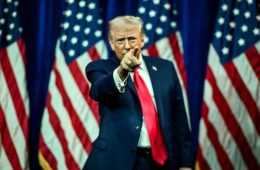
U.S. President Donald Trump said on October 11 local time that Russia and Ukraine had agreed to an "energy ceasefire," under which they would stop attacking energy facilities. Ukraine, however, pushed back, saying it had not been informed of any agreement in advance.

Meanwhile, the Trump Administration reportedly threatened to cut off weapons supplies and intelligence sharing to stop Ukraine from attacking Russian oil refineries. Analysts say the Trump Administration, seeking to stabilize energy prices ahead of the November midterm elections, is easing sanctions on Russia while increasing pressure on Ukraine.
On October 11, Trump wrote on Truth Social, "An energy ceasefire has been reached in the war between Russia and Ukraine," adding, "It takes effect immediately, and both sides have agreed. Do not violate it."
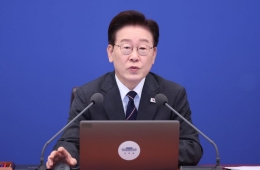
Ukrainian President Volodymyr Zelenskyy told the U.S. news outlet Axios, "This is the first I've heard of it," but added, "If Russia agrees to an energy ceasefire, Ukraine will agree as well."
This suggests that Ukraine's agreement has yet to be confirmed, contrary to Trump's announcement that both sides had already reached an agreement. Russia has also not stated an official position on whether a ceasefire agreement has been reached.
U.S. Threatens to Cut Off Weapons Supplies and Intelligence Sharing to Ukraine

The Financial Times (FT) reported on October 11, citing European officials, that the Trump Administration had threatened to cut off the supply system for U.S.-made weapons to stop Ukraine from attacking Russian oil refineries.
According to the FT, U.S. officials called officials in Ukraine and several European countries on October 10 and 11 to pressure them to stop attacks on Russian oil refineries.
During the calls, the United States reportedly warned that it could halt intelligence sharing with Ukraine and block the Prioritized Ukraine Requirements List (PURL), a procurement mechanism for U.S.-made weapons.
PURL is a weapons procurement mechanism managed by the North Atlantic Treaty Organization (NATO), through which Ukraine's allies, including European countries, purchase U.S.-made weapons and provide them to Ukraine. Although the U.S. government does not directly fund the program, it is an important channel of support for Ukraine, which relies on supplies of U.S.-made weapons.
A European official who said they had been contacted directly by an official at the U.S. Department of Defense told the FT, "They are calling Kyiv. They are calling everywhere in Europe."
The United States' use of weapons supplies and intelligence sharing as leverage is seen as a sign of its strong determination to stop Ukraine's attacks on Russian oil refineries.
Fallout From Russian Diesel Deal... Bessent Says It Is "Good for the American People"

The Trump Administration's pressure on Ukraine comes against the backdrop of rising energy prices in the United States ahead of the midterm elections.
Russia and Ukraine have repeatedly attacked each other's energy facilities. Russia has attacked Ukrainian power plants and electricity grids, while Ukraine has used drones to strike Russian oil refineries, disrupting energy supplies.
Trump has repeatedly urged Ukraine to stop attacking Russian oil refineries, citing rising global energy prices. When Zelenskyy did not comply, Trump announced on September 9 that he had reached an agreement with Russian President Vladimir Putin to supply large quantities of Russian diesel to the United States and global markets.
In response, the U.S. Treasury Department introduced a temporary easing of sanctions to allow imports of Russian diesel, among other measures. Axios, citing a U.S. official, reported that Trump reached the diesel supply agreement with Russia after Ukraine rejected his repeated requests to stop attacking Russian oil refineries.
U.S. Treasury Secretary Scott Bessent dismissed criticism of the Russian diesel deal in an interview with Fox News on October 10. "We will use all the legal authority we have to carry this out," Bessent said, arguing that "it is good for the American people and will help bring down diesel prices."
Meanwhile, it remains unclear whether the energy ceasefire between Russia and Ukraine will be implemented. In March 2025, the two countries agreed, with U.S. mediation, to halt attacks on energy facilities for 30 days. However, attacks continued afterward, leading to disputes over alleged violations of the agreement.
Hot Picks Today
![Claims That "Daiso Is Being Shut Down to Save AliExpress and Temu" Spread Widely... A Fact-Check [Why&Next]](https://cwcontent.asiae.co.kr/asiaresize/93/2023121315590987574_1702450749.jpg) Claims That "Daiso Is Being Shut Down to Save AliExpress and Temu" Spread Widely... A Fact-Check [Why&Next]
Claims That "Daiso Is Being Shut Down to Save AliExpress and Temu" Spread Widely... A Fact-Check [Why&Next]
- "We invested on the government's assurances"... The 'Valley of Death' drags on [Hydrogen, Broken Ladder] ②
- "All He Did Was Reheat and Eat Fried Rice Made the Day Before"... Man in His 20s Nearly Needed a Liver Transplant
- Despite MBK's Exit, Potential Buyers Stay 'Quiet'... Will Homeplus Be Sold Off in Pieces?
- "Looks Like They're Having an Affair": What If You Opened a KakaoTalk Chat, Filmed It, and Shared the Video With Coworkers?
On September 14, Trump also said that the two countries had agreed not to attack each other's energy facilities, but both sides continued to strike energy facilities in the other country.
© The Asia Business Daily. All rights reserved. Unauthorized AI training and use prohibited.