Gwanak-gu Uses AI to Identify Medication Risks, Pharmacists Provide Counseling: 'Smart Visiting Pharmacy Care Service'
Pharmacists and visiting nurses provide tailored medication management
“Ttokttokhan 100-se Yakson” program operates at senior and welfare centers
Gwanak-gu, Seoul (District Mayor Park Junhee), said on October 11 that its “Smart Visiting Pharmacy Care Project,” which combines an artificial intelligence (AI)-based medication management app with the expertise of local pharmacists, is helping people receiving integrated care who take multiple medications use them safely.

Senior residents consult with a pharmacist about their medications at a mobile counseling center under Gwanak-gu’s “Smart Medication Care for Centenarians” project. Provided by Gwanak-gu.
View original imageThe project enters medication information for integrated care recipients who take five or more medications into Piltok, an AI-based medication management app, to generate medication safety reports and provide tailored medication management according to each person’s risk level. In April, the district signed a business agreement with the Gwanak-gu Pharmaceutical Association, the Neulpum Gachi nonprofit corporation, and ICT healthcare company Pimaechi, establishing a public-private-industry collaboration system. It first identified residents in underserved groups who had limited access to existing medication management services, including older adults living alone and Medical Aid recipients.
This year, the district issued medication safety reports to 170 people and provided one-on-one medication care through home visits to 75. When analysis classifies someone as “high risk,” a pharmacist and a public health center visiting nurse visit the person’s home as a team of two to review their medications and check for duplicate or inappropriate use. The service can also include the collection of unused medicines and follow-up care, as needed.
An older resident of Nangok-dong had been prescribed painkillers by multiple medical institutions after spinal stenosis surgery and experienced nausea and dizziness. During a home visit, the district’s medication care team found that the resident was taking duplicate painkillers and arranged for the duplicate medication to be discontinued through the medical institutions the resident used. The district confirmed during follow-up monitoring that the symptoms had improved. “The pharmacist came to my home in person and explained things I didn’t know. It was a great help,” the resident said.
The district is also running its specialized “Gwanak-gu Ttokttokhan 100-se Yakson Project.” Working with Neulpum Gachi, it operates visiting medication counseling centers at senior centers and welfare centers to identify residents in need of integrated care. This year, the district introduced its integrated care project and provided medication management education to 699 people at 29 locations, including senior centers and day care centers, referring 98 of them for integrated care. It also issued AI-generated medication safety reports to 71 people and provided medication counseling with pharmacists to 34.
Hot Picks Today
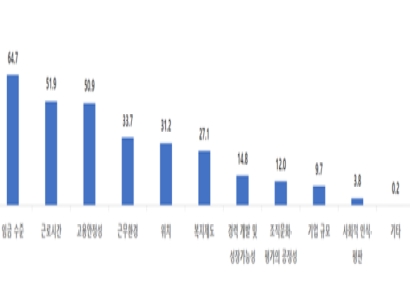 "Please Pay Me at Least 3 Million Won a Month": More Than Half of Young People Today Prioritize "Working Conditions" Over Company Size
- Selling Like Crazy Every Year... 30-Year-Old Hetbahn Takes on a New Challenge: Tastes Better Than "Mom's Home Cooking" [On-Site Report]
- Ran 18 km With 9-Year-Old Tied to Him at the Waist... "Man Banned From Competing for 3 Years"
- "Hey, Lady, Teach Your Kids to Behave!" ... 300,000 Won in Cash and a Bodily Injury Claim Demanded Over Child's Door Ding
- Beachgoer Finds 'Plastic' That Turns Out to Be Perfume Ingredient Worth More Than Twice as Much as Gold
Gwanak-gu District Mayor Park Junhee said, “We will use AI and pharmacists’ expertise to close gaps in medication management and help residents continue healthy daily lives in the places where they live.”
© The Asia Business Daily. All rights reserved. Unauthorized AI training and use prohibited.