South Korea, U.S., EU and 12 Others Join Forces Against Oversupply... Target Autos, Semiconductors
Dedicated working groups to be established for automobiles and EVs, batteries, semiconductors and solar panels
Call for action against non-market policies and practices... Follow-up talks before December

South Korea, the United States, the European Union (EU), Japan and 11 other participants have agreed to jointly address structural overproduction in key industries, including automobiles and electric vehicles (EVs), batteries and general-purpose semiconductors. As major economies call for action against non-market policies and practices that distort markets, international cooperation to tackle global oversupply is expected to gain momentum.
The Ministry of Trade, Industry and Energy said on October 8 that 15 participants, including South Korea, issued a “Joint Ministerial Statement on Addressing Structural Overproduction” on October 7 local time at the Organisation for Economic Co-operation and Development (OECD) headquarters in Paris, France.
The joint statement was issued by South Korea, the United States, the EU, Japan, the United Kingdom, France, Germany, Italy, Canada, Australia, India, Mexico, Argentina, Poland and Türkiye.
The statement follows the G20 Trade Ministers’ Meeting, held in Milwaukee, Wisconsin, from September 30 to October 1. At the meeting, most G20 members expressed concern about the impact of structural overproduction and excess capacity on the global economy and agreed on the need for a joint response. However, differences among some members prevented the G20 from reaching a consensus.
In response, participants that share concerns about overproduction decided to take joint action separately from the G20. The 15 participants agreed that structural overproduction and excess capacity pose significant challenges not only to the global economy but also to individual national economies. In particular, they called on each participant to take measures to address non-market policies and practices that distort markets and perpetuate structural overproduction and excess capacity.
As a first step, dedicated working groups will be established in five sectors: automobiles and EVs, batteries, chemicals, general-purpose semiconductors and solar panels. The groups will examine whether structural overproduction and excess capacity exist in each sector and analyze their effects on markets and industries. Based on their findings, they will also seek effective ways to respond.
Senior officials from the participating economies held a separate meeting on the sidelines of the OECD Trade Committee meeting on October 7 and began discussing the direction of future cooperation. The sectoral working groups will be open to both OECD members and non-members.
Specific arrangements for cooperation will be established by the end of the year. The participants agreed to hold a working-level meeting before December to develop operating plans for the sectoral working groups and share information and data that can be made public on structural overproduction and excess capacity, as well as their effects on each industry. They will also draw on materials from the OECD and other relevant institutions.
Hot Picks Today
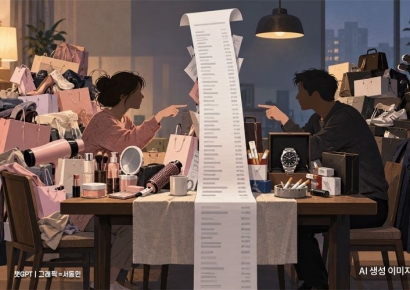 "Sharing Credit Card Statements Could Spell Trouble for Couples"... Conflict Erupts Over 2.2 Million Won in Weekly Beauty Spending - What Happened?
- [Exclusive] Daiso Draws Shoppers for "3,000-Won Cosmetics"... and Also Boosts Sales at Nearby Olive Young
- "Only in Seoul," Foreigners Rave... Then Seoul Beats Tokyo to Claim 'World's Best Big City' Title
- [2026 Parliamentary Audit] Future Response Fund Under Scrutiny: "Pay Off Debt First" vs. "Invest in Youth and Regions"
- Woman Buys All 196 Apartment Parking Spaces, Installs Locks... Then Faces Lawsuit
The government plans to actively participate in establishing sectoral cooperation platforms and in follow-up discussions, while working with major economies to address global oversupply.
© The Asia Business Daily. All rights reserved. Unauthorized AI training and use prohibited.