Basic Pension "Freeze Controversy": Minister Jung Eunkyung Says, "First-Quarter Increase to Be Paid Retroactively to Seniors in Bottom 45%"
Health and Welfare Minister Jung: "Moving Ahead With Retroactive Payments for the Bottom 45% by Income"
President Lee Also Voices Support: "A Measure to Ease Polarization"
Amid controversy over an "effective cut in benefits for low-income seniors" after payments were set to remain at this year's level in the first quarter of next year ahead of a Basic Pension overhaul, the government has finalized a plan to retroactively pay the inflation-linked increase to seniors in the bottom 45% by income.

Health and Welfare Minister Jung Eun-kyung said on October 7 via social media that the inflation-linked increase for the first quarter of 2027 would be paid retroactively to low-income seniors in the bottom 45% by income, as part of the National Assembly's budget and legislative deliberations.
The Ministry of Health and Welfare previously announced a reform plan to raise the Basic Pension to 380,000 won per month next year for those in the bottom 30% by income, while increasing payments for those in the 30% to 45% income bracket by the inflation rate, as under the current system, to 359,000 won per month. For higher income brackets, payments were to be frozen at 350,000 won per month, with no increase.
However, controversy intensified after a budget proposal was submitted to freeze payments at this year's level of 350,000 won per month for all recipients from January through March next year, before the reform takes effect. Critics argued that this amounted to an "effective cut in income" that ignored the burden of rising prices on low-income seniors, given that the Basic Pension has been increased annually in line with inflation under current law.
Minister Jung explained, "The government prepared its budget proposal on the basis of maintaining this year's basic pension amount of 350,000 won for all recipients through March next year, to allow time to build a system for differentiated Basic Pension payments and revise subordinate regulations, but it did not include retroactive payments of the inflation-linked increase." She added, "We concluded that retroactively paying the inflation-linked increase to seniors in the bottom 45% by income would better fulfill the reform's aim of strengthening income security for low-income people."
Hot Picks Today
 "Wasn't It Supposed to Be Gone? Alarming Surge in Cases Leads US to Declare Disaster Emergency"
- After 17 Tardies, AI Says, "We Should Fire This One, Right?" ... Outcry as U.S. Puts Brakes on 'Robot Bosses'
- With a Trembling Voice, "One Bowl of Jajangmyeon, Please"... 9-Year-Old Saves Mother From Assault
- "South Korea's Rep, Born in 1991, Is 35"... 'Married or Divorced? Still OK': Miss Universe Removes Age Limit
- Park Jinyoung: "I've Never Worked for President Lee or the Democratic Party... A Valuable Opportunity for Our Sons, Daughters and Nieces and Nephews" [2026 National Assembly Audit]
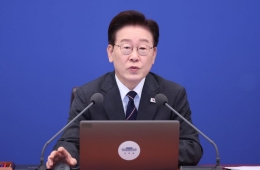
President Lee Jae-myung also voiced his support by sharing Minister Jung's post. He said, "Additional support for low-income people is considered necessary to ease polarization, and there is no reason to avoid an exceptional measure if it is consistent with substantive fairness." Accordingly, the National Assembly is expected to begin actively working to include funding for retroactive payments to those in the bottom 45% by income in its upcoming budget and legislative deliberations.
© The Asia Business Daily. All rights reserved. Unauthorized AI training and use prohibited.






![[2026 Nobel Prize] Frenchman Henri Kagan and Japanese Kenso Soai Share Nobel Prize in Chemistry for "Homochirality Research" (Updated)](https://cwcontent.asiae.co.kr/asiaresize/307/2026100719503053971_1791370230.jpg)