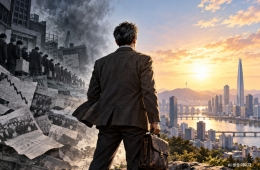
"Starbucks Morally Bankrupt... Close the Stores": Backlash over Entry into China's Xinjiang amid Human Rights Controversy
Two Stores Opened in Urumqi Airport and City Center Business District
US Lawmaker Urges "Moral Bankruptcy... Immediate Store Closure"
Starbucks, the world's largest coffee chain, has entered the Xinjiang Uygur Autonomous Region in China, sparking controversy. This region has long faced allegations of minority human rights abuses, prompting backlash from the U.S. political sphere and international human rights organizations.
According to Yonhap News, which compiled reports from major foreign media outlets on October 3, 2026, Starbucks recently opened two new stores in Urumqi, the capital of the Xinjiang Uygur Autonomous Region in China.
One store opened as a flagship in the city's main commercial district, the Grand Bazaar, while the other was established inside Urumqi International Airport.

Starbucks has entered the Xinjiang Uygur Autonomous Region in China and opened two stores. Weibo capture, Yonhap News.
View original imageThe stores featured Starbucks logos in English and Chinese, but there were no signs in the Uyghur language. Uyghur, written in Arabic script, is an officially used language in the Xinjiang region alongside standard Chinese. The new stores, decorated with traditional musical instruments, also offer specialty beverages.
Molly Liu, CEO of Starbucks China, stated, “Entering Xinjiang is more than just an expansion of our stores; it is an opportunity to participate more deeply in this vibrant local market.” Starbucks, which opened its first store in China in 1999, enjoyed popularity alongside the rapid growth of China’s economy, but in recent years has faced increasing competition from local Chinese coffee and tea brands.
This entry into Xinjiang is part of Starbucks' ongoing efforts to expand its presence in the Chinese market. At the end of March, Chinese investment company Boyu Capital completed the establishment of a joint venture in which it holds a 60% stake in Starbucks’ retail operations in China, while Starbucks retains a 40% share. The joint venture operates 8,342 stores in mainland China, an increase of 331 stores compared to the end of the fiscal year 2025.
News of Starbucks’ entry into Xinjiang triggered strong reactions from both the U.S. Congress and international human rights organizations.
John Moolenaar (Republican–Michigan), a member of the House Select Committee on the Strategic Competition Between the United States and the Chinese Communist Party, urged Starbucks to "immediately close its stores." In a statement released on October 2, Moolenaar criticized, “It is shocking that a company so proud of its social responsibility would make such a decision. This is a morally bankrupt choice.” He continued, “There is no justification for an American company to continue operating in a region where the Chinese Communist Party has detained over one million Uyghurs and is stripping them of their faith, language, and culture.”
International human rights organizations, such as Human Rights Watch and the World Uyghur Congress, also pointed out that “Starbucks’ entry could be used by China as overseas propaganda to normalize human rights issues in the region.”
Hot Picks Today
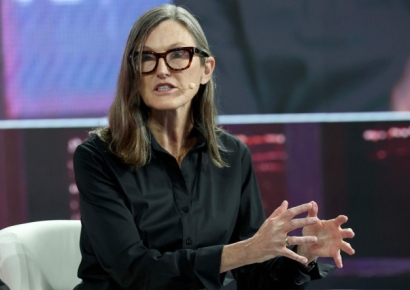 "Buy Now and Get 17X Returns?"... Cathie Wood Makes Bold 1,665% Bitcoin Forecast by 2030
- [Exclusive] "Bought at 7,000 Won, Now at 1,600 Won"...76% Stock Plunge Shatters Big Dreams [KOSDAQ Inflated Listings]②
- Korean AI Companies Meet Lisa Su... Open Ecosystem Paves Way for Global Expansion
- "Drinking This in the Morning Is Like Drinking Alcohol"..."Doctors Warn: Never Consume It"
- "This Isn't Right, Someone Could Throw Out Their Back"... Triple-Layered Garbage Bags Tightly Bound with Tape
In response, China’s Ministry of Foreign Affairs dismissed these claims as “blatant lies,” saying, “The Xinjiang region enjoys social stability, economic growth, unity among ethnic groups, and religious harmony.”
© The Asia Business Daily. All rights reserved. Unauthorized AI training and use prohibited.