War, Drought, and El Nino... Global Food Prices Reach Highest Level Since November 2022
Grain Prices Surge 5.1%, Sugar Up 6.1%
Domestic Agricultural and Livestock Prices Drop 1.0%
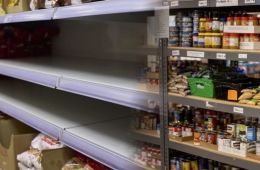
The global food price index has risen for three consecutive months. The continued food price pressure is being driven by logistical disruptions associated with the wars in Ukraine and Iran, compounded by weather factors such as heat waves, drought, and El Nino.
The Food and Agriculture Organization (FAO) of the United Nations announced on the 2nd (local time) that the global food price index for September stood at 136.0, up 1.5% from the previous month’s 134.0. This represents an increase of 5.8% compared to the same month last year, and it is the highest level since November 2022. Prices for grains, vegetable oils, and sugar climbed, while prices for meat and dairy products declined.

Maximo Torero, Chief Economist at the FAO, stated that "the transport disruptions in the Strait of Hormuz and the Black Sea, combined with climate shocks, are putting upward pressure on energy, transportation, and key food commodity prices." He projected that if these trends continue, consumer food prices could be impacted, especially in countries with high dependency on food and energy imports.
The sugar price index rose by 6.1% from the previous month and by 14.7% compared to the same month last year. Factors contributing to supply concerns included expectations of decreased production in Thailand, insufficient rainfall in India and crop worries related to El Nino, heavy rainfall in major producing regions of Brazil, and reduced sugar beet acreage in the European Union (EU).
The grain price index increased by 5.1% from the previous month and by 17.2% year-on-year. Wheat prices rose by 6.3% due to logistical constraints in the Black Sea region and dry weather in North America. Corn prices advanced 5.6%, attributed to concerns about U.S. yields, a decline in Brazilian export volumes, and trade disruptions in the Black Sea. Rice prices went up by 1.4%.
The vegetable oil price index also increased 0.9% compared to the previous month, driven by strong import demand and dry weather in Southeast Asia that pushed up palm oil prices. In contrast, the meat price index fell by 1.1%, and the dairy price index edged down 0.1%.
Hot Picks Today
 "They're Coming After My Pension Too?" Public Unease Mounts... Spain Sees Mass Protest Over Reform Push
- "Where Do You Go Every Lunch Break?"... 'Time-Poor' Men in Their 40s: Where They Spend Their Money.
- Lee Administration Slow to Appoint Public Institution Heads? A Look at the Numbers
- "Naked Again?" Controversial Actress Crosses a Line... Slammed for Sexualizing 'Child Characters'
- "You Mean Only Middle-Aged Men Got to Enjoy This?"... Where Japanese Women in Their 20s and 30s Are Flocking
Despite the international upward trend, domestic agricultural and livestock product prices have remained stable. According to the Ministry of Agriculture, Food and Rural Affairs, domestic consumer prices for agricultural and livestock products in September fell by 1.0% compared to the same month last year, contributing to a reduction in the overall consumer price inflation rate to 2.9%. The Ministry stated that it plans to continue monitoring international prices and domestic supply-demand conditions to maintain stable food prices in Korea.
© The Asia Business Daily. All rights reserved. Unauthorized AI training and use prohibited.