Gwangmyeong City’s “Urban Regeneration Changing Citizens’ Lives”... Wins Urban and Regional Innovation Award for Second Consecutive Year
Gwangmyeong City Receives Minister of the Interior and Safety Award for Living Convenience
Recognized for Achievements in Neighborhood Safety, Care Services, and Expansion of Cultural Spaces
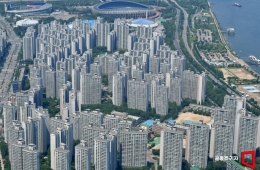
Gwangmyeong City in Gyeonggi Province, led by Mayor Seungwon Park, has won the Korea Urban and Regional Innovation Awards for the second consecutive year with its urban regeneration projects that have focused on ensuring neighborhood safety, improving residential environments, and expanding care and cultural spaces to enhance the daily lives of citizens.

Park Seungwon, Mayor of Gwangmyeong City, is taking a commemorative photo with the Urban Regeneration Department staff in the mayor's office on the 2nd to celebrate winning the grand prize in the public sector lifestyle convenience category at the 2026 Korea Urban and Regional Innovation Awards. Provided by Gwangmyeong City
View original imageOn October 2, the city announced that it had received the Minister of the Interior and Safety Award, the grand prize in the Public Sector Living Convenience category, at the 2026 Korea Urban and Regional Innovation Awards hosted by the Ministry of Land, Infrastructure and Transport. This achievement follows last year’s victory in the Urban Environment and Landscape category.
The city was highly recognized for incorporating the fundamental direction of basic social policies into its urban regeneration projects to improve residents’ living environments. Gwangmyeong City’s initiatives have gone beyond simply refurbishing outdated spaces, striving instead to bring care, culture, and welfare services closer to residents.
To improve the residential environment, the city built the “Neulbit Safe Path” using Crime Prevention Through Environmental Design (CPTED) principles, and carried out renovations and maintenance work on old houses and neighborhood environments.
Gwangmyeong City also established the “Eoulligi Happiness Center,” a complex for care, communication, and convenience functions, along with the “Eoulligi Culture Power Plant,” a space for culture and community. Abandoned idle land was transformed into the “Neulbit Sky Garden,” a shelter that residents can use in their daily lives.
The city built a foundation for self-reliance so that residents could not only participate in the projects but also continue running the facilities themselves. Through the Urban Regeneration College, resident councils, and resident proposal projects, the local community worked together to identify essential projects, while resident-led organizations such as the Rainbow Village Management Social Cooperative took the lead in directly managing spaces and facilities. Community activities such as village festivals were also supported.
The enactment of an “Urban Regeneration Post-Project Management Ordinance” to ensure continuous management and support of results after project completion was also highly evaluated.
Hot Picks Today
 "I Ate at Home to Save Money, But My Account Balance Was Still a Shock"
- Suddenly Called Out During Class, Awarded $100,000 as Students Cheer in the Gym
- "Bought It Cheaper in Japan Than Korea"... Improper Use Leads to Vomiting and Abdominal Pain, Official Warning Issued
- "After a Dream About Feces, Bought a Lottery Ticket and Won 20,000 Won... Scratched Again and Hit a 2 Billion Won Jackpot"
- "Uncle Will Buy Them All for Wonie"... Men in Their 30s Sweep Up 600,000 'RESCENE Bread'
Mayor Seungwon Park of Gwangmyeong City stated, "The success or failure of urban regeneration depends on how well the basics needed in daily life are incorporated for citizens. We will continue to pay attention to these fundamentals throughout the city so that changes in the city translate into genuine improvements in citizens’ lives and pursue urban regeneration that residents can truly feel."
© The Asia Business Daily. All rights reserved. Unauthorized AI training and use prohibited.