JPMorgan, Goldman: "Middle East Oil Shipments Nearly Back to Pre-War Levels"
JPMorgan Chase and Goldman Sachs have indicated that Middle Eastern crude oil shipments have nearly returned to pre-war levels.

According to Bloomberg News on September 30 (local time), JPMorgan assessed that crude oil shipments from the Middle East have recovered to 17.5 million barrels per day, reaching 98% of pre-war levels. Shipments of refined petroleum products such as diesel and gasoline were recorded at 3 million barrels per day, which amounts to 58% of the pre-war level. Looking at the 10-day moving average over the past five days, the combined shipment volume of crude oil and refined products has recovered to 89% of the 2025 level.
In its report, JPMorgan noted that while the recovery has been uneven, "the Middle East’s crude oil export artery is flowing again," and added, "It is a remarkable recovery considering the region is still at war."
Not only transportation through the Strait of Hormuz but also Saudi Arabia has restored about half of the capacity of the east-west pipeline that was damaged earlier this month. This pipeline transports crude oil across Saudi Arabia to export terminals on the Red Sea coast. JPMorgan analyzed that shipments through the Strait of Hormuz have almost reached the peak level at the end of June, when volumes, centered around Saudi Arabia, approached 13 million barrels per day.
JPMorgan stated, "An increase in transit volume does not necessarily mean improved safety," and evaluated that "this indicates the industry’s strengthened ability to maintain operations amid persistent risks."
Goldman Sachs also found that a significant portion of petroleum exports from the Persian Gulf have recovered. Including so-called 'dark flows'—shipments that move clandestinely—the average daily petroleum export volume over the past week reached 23.3 million barrels per day, matching the average level for 2025. In its report, Goldman Sachs explained that the global crude oil market in September appears to be largely balanced in terms of supply and demand.
Hot Picks Today
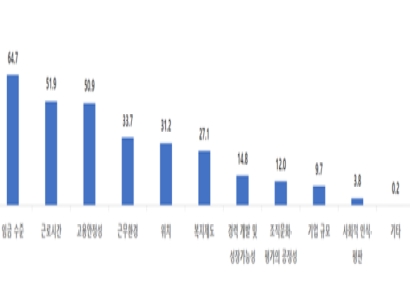 "Please Pay Me at Least 3 Million Won a Month": More Than Half of Young People Today Prioritize "Working Conditions" Over Company Size
- Selling Like Crazy Every Year... 30-Year-Old Hetbahn Takes on a New Challenge: Tastes Better Than "Mom's Home Cooking" [On-Site Report]
- I Thought Only 'Old Guys' Ate It... Young People Are Hooked on This 'Unusual Food' at Risk of Disappearing? [Delicious Stories]
- "Hey, Lady, Teach Your Kids to Behave!" ... 300,000 Won in Cash and a Bodily Injury Claim Demanded Over Child's Door Ding
- Beachgoer Finds 'Plastic' That Turns Out to Be Perfume Ingredient Worth More Than Twice as Much as Gold
Goldman Sachs analyzed that while Iran’s exports have declined, exports from other oil-producing countries in the Persian Gulf have increased, creating divergent trends. The report also stated, "Estimated exports from Saudi Arabia more than doubled in September, surpassing the average level of 2025."
© The Asia Business Daily. All rights reserved. Unauthorized AI training and use prohibited.