[Exclusive] "Extra Pension Without Ever Setting Foot in Korea"... Baffling Loophole in Foreigners' Childbirth Credit
Birth Credit Benefits Granted to Foreigners Without Restriction
12 Months Credited for First and Second Children, 18 Months for Third and Beyond
"Pension Fund Could Face a Time Bomb Starting in the Late 2030s as Beneficiaries Emerge"
It has been confirmed that foreign subscribers to the national pension system can receive increased pension benefits simply by providing proof of birth for their children who are born and raised overseas. This is because the "childbirth credit" system, introduced as part of efforts to address Korea’s low birth rate, is being applied without any minimum requirements regarding the child's place of birth or residency. Experts warn that this loophole in the system could further undermine the already precarious national pension finances, especially from the late 2030s, when beneficiaries of the system will begin to appear in earnest.

Childbirth Credit Applies Equally to Koreans and Foreigners… No Minimum Requirements for Place of Birth or Residency
According to the Ministry of Health and Welfare and the National Pension Service as of October 1, under the current system, foreign subscribers to the national pension are eligible for the childbirth credit under the same conditions as Korean nationals. The childbirth credit is a system that grants additional qualifying periods for national pension benefits to contributors who give birth to or adopt children, thereby increasing the amount of pension they can later receive. Previously, the system allowed an additional 12 months of qualifying period for a second child, and 18 months per child for the third and subsequent children, up to a maximum of 50 months. Starting this year, with the expansion of the system, subscribers now receive an additional 12 months for the first child, 12 months for the second, and 18 months for the third and every child thereafter, with no upper limit on the qualifying period.
The issue lies in the fact that there are no specific restrictions for foreigners to receive the childbirth credit. If a foreign subscriber has children born overseas, or even if their children do not reside in Korea, they can still receive additional qualifying periods by merely submitting documents proving the child’s birth, with no limitations.
The childbirth credit is essentially a demographic policy incentive designed to encourage childbirth by compensating for gaps in pension coverage caused by childbearing and childrearing, under the premise that children born will grow up as members of Korean society and become future taxpayers. Funding for the childbirth credit comes from the Ministry of Health and Welfare's general budget (30% from the national treasury) and the National Pension Fund (70%). However, the current system reveals a structural loophole in which public funds and pension assets are allocated to foreign children who do not contribute to Korea’s future economic productivity at all.
For example, if a foreign subscriber has two children and receives credit for a total of 24 additional months, the annual pension they receive is estimated to increase by around 800,000 won per year (roughly 60,000 to 70,000 won per month) at current value.

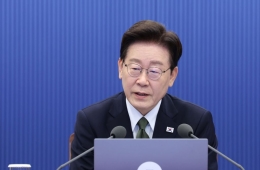
Jeong Eun-kyung, Minister of Health and Welfare, attended the 8th plenary meeting of the Special Committee on Pension Reform held at the National Assembly on the 29th and reported on current issues. 2026.09.29 Photo by Yoon Dongju
View original imagePension Fund a 'Time Bomb' in the Late 2030s... "Fundamental Review of the Policy Needed"
Because the childbirth credit has only been applied to children born since 2008, it has not yet had a major impact on pension finances. However, the outlook is changing. An official from the National Pension Service, who pointed out the loophole in the foreign childbirth credit system, stated, "There are serious internal concerns that, from the late 2030s when beneficiaries begin receiving pension payments in earnest, foreign childbirth credits could become a 'time bomb' for the pension fund." The official added, "We should not only establish requirements for place of birth or residency, but also fundamentally reconsider whether it is appropriate to grant this credit to foreigners at all."
There are increasing calls to add a residency requirement to the foreign childbirth credit. Some argue that, similar to the ongoing introduction of the principle of reciprocity in “foreigners’ retroactive pension payments,” the childbirth credit should only be granted to foreigners if their respective countries grant the same benefit to Korean nationals.
Hot Picks Today
 "Such chaos for the first time in 140 years"... Even illnesses surge, Tokyo stunned by 'unbelievable' event
- Furious After Elbow Was Touched While Sleeping, Passenger Threatens to Kick and Forces Flight Attendant to Kneel
- "With the Push of a Remote Button, Cash Pours Out"... U.S. Cartel Steals 55.2 Billion Won by Hacking ATMs
- "What Are You Doing Squatting There?"... Picking Up a Few on the Trail Could Result in a Fine
- "Nothing Left to Buy, Feeling Indifferent"... 'Rich Daughter' Vibe in Department Stores with 'Hyunbaek Core'
The Ministry of Health and Welfare has also identified the issue and has begun internal review. A ministry official commented, "We are closely examining the overall problems and potential improvements to the foreign national pension system," but also noted, "It will take time to introduce new standards for residency or country of birth, and we must also consider the issue of fairness with Korean nationals who give birth abroad. Therefore, actual changes to the system will require more time."
© The Asia Business Daily. All rights reserved. Unauthorized AI training and use prohibited.