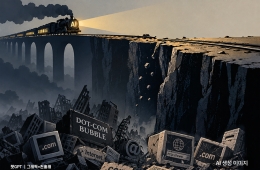
US Consumer Confidence Falls to 12-Year Low as Inflation and Job Market Worries Mount
September Index Falls to 81.9, Below Expectations
Expectations Index Declines for Third Consecutive Month
68.4% Expect Interest Rates to Rise
Consumer confidence in the United States has dropped to its lowest level in more than 12 years. Amid mounting concerns over the economy and the job market due to high living costs, both the current assessment of the economic situation and future outlook have worsened.

A worker is stocking products at a market located in New York. New York (USA) – Photo by Yoonju Hwang
View original imageOn September 29 (local time), the Conference Board, a U.S. economic research organization, announced that the Consumer Confidence Index for September stood at 81.9 (1985=100), a decrease of 6.7 points from the previous month. This is the lowest level since April 2014 and fell significantly short of the Dow Jones consensus estimate of 89. The figure for August was also revised down from 89.4 to 88.6.
The Present Situation Index, which reflects current economic and labor market conditions, declined by 7.9 points to 109.3. The Expectations Index, which indicates outlooks for future income, business conditions, and employment, fell by 5.9 points to 63.6, marking the third consecutive monthly decline.
Economic assessments have turned negative. The percentage of respondents who answered that current business conditions are bad rose to 20.4%, surpassing those who said conditions are good (18.5%). The proportion who said jobs are plentiful dropped to 23.6%, while those who said jobs are hard to get rose to 21.9%.
Dana Peterson, Chief Economist at the Conference Board, explained that the assessment of current business conditions turned negative for the first time since September 2024. While evaluations of the labor market remain positive, consumers expect both economic and employment conditions to deteriorate over the next six months.
Concerns over inflation have also intensified. The average expected inflation rate over the next year climbed to 6.1%, up 0.3 percentage points compared to the previous month. The share of respondents expecting interest rates to rise during the same period increased by 5.2 percentage points to 68.4%.
Hot Picks Today
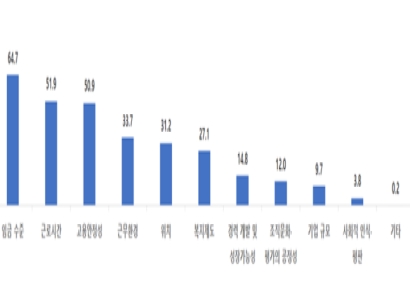 "Please Pay Me at Least 3 Million Won a Month": More Than Half of Young People Today Prioritize "Working Conditions" Over Company Size
- Selling Like Crazy Every Year... 30-Year-Old Hetbahn Takes on a New Challenge: Tastes Better Than "Mom's Home Cooking" [On-Site Report]
- "Americans Would Be Amazed If They Came": Wide-Eyed at a Sight They've Never Seen Before... Foreigners Also Fall for K-Baseball [K-Holic]
- President Lee Narrows Candidates for Next Justice Minister to Former Prosecutors Yang Bunam and Park Gyuntaek
- Beachgoer Finds 'Plastic' That Turns Out to Be Perfume Ingredient Worth More Than Twice as Much as Gold
Peterson noted that, in open-ended responses on factors affecting the economy, mentions of high prices for goods and services—especially oil and gas—rose significantly. The survey period ran from September 1 to September 23, and reflected factors such as the Federal Reserve's interest rate hikes and ongoing geopolitical tensions.
© The Asia Business Daily. All rights reserved. Unauthorized AI training and use prohibited.