U.S. Pharmaceutical Tariffs Take Effect: 15% on Korean Patent Drugs, Generics and Biosimilars Exempt
0% Tariff Rate for ADCs, Cell and Gene Therapies
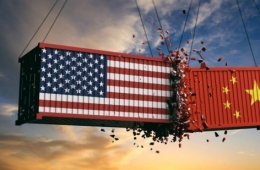
The U.S. government has begun imposing tariffs on pharmaceuticals and raw materials based on Section 232 of the Trade Expansion Act, starting September 29 (local time). However, certain Korean-made pharmaceuticals, such as antibody-drug conjugates (ADC), appear likely to avoid these tariffs.

According to the Korea Biotechnology Industry Organization (KoreaBIO) and the pharmaceutical industry, the administration of U.S. President Donald Trump signed a proclamation in April authorizing tariffs on pharmaceuticals under Section 232 of the Trade Expansion Act, citing the strengthening of national security and public health. As a result, a 100% tariff will be imposed on patent-protected pharmaceuticals and raw materials starting on this date.
However, countries including Korea, the European Union (EU), Japan, and Switzerland will see a tariff rate of 15%. Accordingly, Korean patent-protected pharmaceuticals are expected to be subject to a 15% tariff.
Additionally, the U.S. Department of Commerce announced on September 23 that certain specialty pharmaceuticals would be subject to a 0% tariff rate. These specialty pharmaceuticals include ADCs, orphan drugs for rare diseases, cell and gene therapies, plasma-derived therapies, infertility treatments, and veterinary medicines.
The Department of Commerce stated that a 0% tariff would apply if these pharmaceuticals are produced in qualifying jurisdictions such as Korea, the United Kingdom, Switzerland, or Japan, or are deemed urgently needed for health reasons. Generic drugs, biosimilars, synthetic pharmaceuticals, and biosimilar copies are not included in the scope of this round of pharmaceutical tariffs.
In April, the U.S. government decided not to immediately impose tariffs on generics and biosimilars and to reconsider the matter after one year. Subsequently, in August, President Trump announced that generics would face a 100% tariff starting in 2028, which would be raised to 200% beginning in 2029.
Hot Picks Today
 "The Transfer Failed, but 'Ding-Dong,' Money Came In"... KRW 32.5 Billion Financial Incident at Toss Bank
- "People with money have already moved," they say... 1,700-ton underground vault full as the wealthy flock to this country
- Legend Who Turned 40-Store Olive Young into a "KRW 1 Trillion Giant"... Returns to Shinsegae After 25 Years as a Rescuer
- Saemaul Geumgo Posts 3.6 Trillion Won in Net Losses Over 3.5 Years... "Comprehensive Measures Needed"
- 'Hangover Legend' Returns After 11 Years... Lee Sunmin Hyung's 'Captain Q' Sells Out
© The Asia Business Daily. All rights reserved. Unauthorized AI training and use prohibited.