Seoul City to Raise Hangang Bus Weekend Fare from 3,000 to 6,000 Won
Public Hearing Held on Fare System Revisions
Reservation System Introduced... 2,000 Won Fee
Increased Revenue Expected... Reduced Subsidy Burden
The Seoul Metropolitan Government is seeking to raise the weekend and holiday fares for the Hangang Bus to 6,000 won. A reservation system for select seats will also be introduced.
On September 29, the Seoul Metropolitan Government held a "Public Hearing on Revising the Hangang Bus Fare System" at the Seosomun Government Complex Annex, where these measures were discussed.

Han River bus operating near Yeongdong Bridge, Seoul. Photo by Yonhap News Agency
View original imageFirst, the city proposed to adjust the current fares—which are 3,000 won for adults, 1,800 won for teenagers (aged 13 to 18), and 1,100 won for children (aged 6 to 12)—to 6,000 won for adults, 3,600 won for teenagers, and 2,200 won for children on weekends and public holidays. After gathering opinions at the public hearing, the city plans to seek feedback and approval from the city council in November, build the necessary systems, and implement the changes starting April next year.
The Seoul Institute estimated that, even when accounting for reduced demand due to the increased fares, the Hangang Bus’s revenue in 2028 is expected to increase by approximately 932 million won compared to maintaining the current fares. Even if operating deficits occur, the amount required for subsidies can be reduced as a result.
A reservation system will also be introduced, allowing reservations for 10 to 20 percent of the total seats. However, an additional fee of 2,000 won will be charged when using this system. The city plans to launch a pilot program in October to assess its effectiveness before considering full implementation.
According to a survey conducted last month by the Seoul Institute of 2,107 passengers who disembarked at Yeouido and Jamsil piers, the median willingness-to-pay was 8,248 won. The city explained that this means over half of the surveyed passengers are willing to pay 8,248 won to take the Hangang Bus.
Since its launch in September last year, the Hangang Bus has operated on a "flat fare system" in which all passengers pay the same fare regardless of time of use or service type. However, demand is concentrated among experience- and leisure-oriented users on weekends and holidays, and there have been complaints about first-come-first-served seating and increased waiting times at boarding sites.
The deficits are also increasing. While the Seoul Metropolitan Government expects the Hangang Bus to turn profitable starting in 2028, the operating loss expected through next year is estimated at approximately 13.5 billion won.
Hot Picks Today
 "Eat and Play All Day for Just 20,000 Won"... Rise of 'Chinese Gatherings' Spreading by Word of Mouth
- "I Washed Dishes Too"... The '22,000-Won Jensen Huang' Who Went Viral Makes a Sincere Request to NVIDIA
- Korean Student Among Alleged Perpetrators in Cornell University Gang Rape Case... US Actress Florence Pugh Calls Incident "Disgusting"
- "One in Three Unsuitable for Marriage": 72-Year-Old Professor's Diagnosis Sparks Fierce Debate Among Chinese Netizens
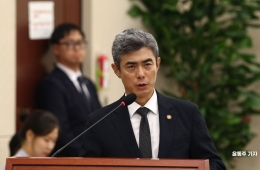
Jinyoung Park, Director of the Seoul Metropolitan Future Hangang Headquarters, said, “To improve service quality and ensure stable operation of the Hangang Bus, it is necessary to review the current flat fare system. In the future, we intend to design the system to expand the range of services to which differentiated fares are applied.”
© The Asia Business Daily. All rights reserved. Unauthorized AI training and use prohibited.

!["Failed Even With Net Assets of 400 Million Won?"... Six Criteria That Define 'The Real Middle Class' [Data Pick]](https://cwcontent.asiae.co.kr/asiaresize/307/2026092809144741876_1790554486.jpg)