"From Treatment to Health Management and Care in Local Clinics"...120 Clinics Selected
Ministry of Health and Welfare Launches "Community-Based Primary Care Innovation Pilot Project"
Registration and Personalized Management for Patients Aged 50 and Older
The "Community-Based Primary Care Innovation Pilot Project" is being launched to enable local clinics to offer not only disease treatment, but also prevention, health management, and connections to care services. This project aims to establish a community-centered primary medical care system and develop a prevention-focused health management model in response to rapid population aging and the increasing prevalence of chronic diseases.

The Ministry of Health and Welfare announced on the 28th that it will launch the "Community-Based Primary Care Innovation Pilot Project" starting from the 29th.
Out of 674 applicant organizations nationwide, 120 clinics were ultimately selected for the project. Among the participating institutions, 20 clinics will operate as independent models with self-organized multidisciplinary teams, while 100 will collaborate with regional support organizations to provide team-based services in a cooperative model.
The multidisciplinary teams will include professionals from various fields such as physicians, nurses, nutritionists, physical therapists, occupational therapists, and social workers. Rather than solely focusing on treating the patient’s disease, the approach involves considering overall health status and living conditions to provide continuous and comprehensive health management.
The program targets local residents aged 50 and above who require integrated health management, and they can register at participating local clinics for the pilot project. Registered patients will pay the same copayment as for standard medical care, with no additional costs for participating in the pilot.
Patients will receive not only disease treatment but also customized management—both in-person and remotely—tailored to their health status. This personalized management includes counseling and follow-up based on health screening results, education and counseling about exercise, diet, and medication adherence, as well as consultations and referrals to specialist clinics or hospitals when necessary.
The pilot project will be implemented for about three years, and the number of participating institutions may be expanded depending on operational results in the future. Starting from this date, participating clinics will register and assess patients wishing to join, develop personalized management plans, and deliver a comprehensive range of primary care services such as disease treatment, medication management, education and counseling, home visits for care and nursing, and referrals to community care resources.
Notably, this project will pilot an integrated payment system based on annual management fees determined by the patient’s health and demographic characteristics. The integrated payment will cover primary care services such as education and counseling, and institutions can opt for integrated reimbursement instead of the traditional fee-for-service model for consultations, tests, and procedures. In addition, compensation will be provided for organizing and operating multidisciplinary teams, as well as performance-based incentives for patient management and service delivery.
The Ministry of Health and Welfare expects that this pilot project will enable local residents to receive consistent health management tailored to their health status at nearby local clinics. In particular, implementing the integrated payment system is expected to help transition the primary care delivery model from one focused on treatment to one centered on prevention and health management.
Hot Picks Today
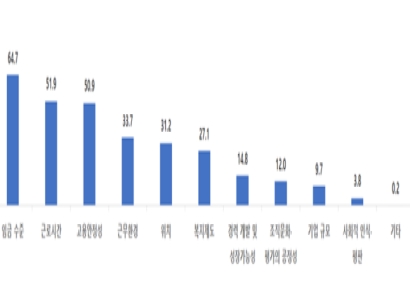 "Please Pay Me at Least 3 Million Won a Month": More Than Half of Young People Today Prioritize "Working Conditions" Over Company Size
- Selling Like Crazy Every Year... 30-Year-Old Hetbahn Takes on a New Challenge: Tastes Better Than "Mom's Home Cooking" [On-Site Report]
- "Is This Really Possible?" The World Is Watching... Could My Car Become a "Mobile ESS"? [Energy Odyssey] 15
- "Hey, Lady, Teach Your Kids to Behave!" ... 300,000 Won in Cash and a Bodily Injury Claim Demanded Over Child's Door Ding
- "Don't Trust This Woman": Documentary on 'Investment Scammer' Earns KRW 22 Billion in One Week
Hyungwoo Ko, Director of the Regional Essential Medical Policy Division at the Ministry of Health and Welfare, said, "Through this pilot project, we will successfully establish and institutionalize a Korean-style family doctor model that can be trusted by both the public and healthcare providers."
© The Asia Business Daily. All rights reserved. Unauthorized AI training and use prohibited.





![[Market ING] KOSPI Seeks Rebound in Superweek Packed with Corporate Earnings and FOMC](https://cwcontent.asiae.co.kr/asiaresize/307/2026102514484873155_1792907327.jpg)