Omani Waters Overwhelmed by Saudi Crude Rerouting... Oil Tanker Freight Rates Soar
Saudi Arabia Expands Shipments via Hormuz After Yanbu Port Closure
Up to 40 More VLCCs Needed to Handle Increased Volume
S-Oil Also Moves to Transship Off Indian Coast
Major foreign media outlets reported on the 25th (local time) that maritime transshipment infrastructure in the Arabian Sea, near Oman, has reached maximum capacity as Saudi Arabia has dramatically changed its crude oil export routes.

After exports via Yanbu port on the Red Sea were halted due to an attack on the East-West oil pipeline on the 13th, Saudi Aramco, the state oil company, diverted more than 60 million barrels of crude oil scheduled for delivery this month and next month to be transshipped off the coast of Sohar, Oman.
The process involves oil tankers loaded at Ras Tanura port in eastern Saudi Arabia passing through the Strait of Hormuz, arriving at the waters off Sohar, and transferring the crude oil to other tankers bound for Asia and elsewhere. With exports to the West via the Red Sea blocked, eastbound exports through the relatively risky Strait of Hormuz have surged significantly.
According to energy analytics firm Kpler, Saudi crude oil exports passing through the Strait of Hormuz this month are expected to reach 3.6 million barrels per day, four times last month's figure of 900,000 barrels per day. To handle this increased volume, an additional 36 to 40 Very Large Crude Carriers (VLCCs), each with a capacity of about 2 million barrels, are estimated to be required.
As competition for securing oil tankers has intensified, freight rates have soared. According to the London Stock Exchange Group (LSEG), as of the 23rd, the daily time charter rate for a VLCC from the Middle East to China hit an all-time high of 1.27 million dollars.
A bottleneck has also formed in transshipment infrastructure such as tugboats and labor, as Saudi crude oil crowds into routes alongside existing supplies from Iraq and the United Arab Emirates (UAE). The transshipment process, which typically took five to seven days, is now reportedly taking nearly ten days.
As transshipment delays lengthen, crude oil buyers are seeking to diversify transshipment points to locations such as the west coast of India and Malaysia, or to deliver directly to refineries.
Hot Picks Today
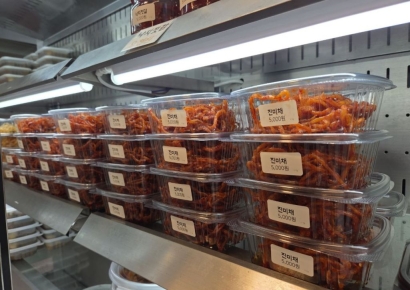 "Auntie, When Will Dried Shredded Squid Return as a Side Dish?"...Once Vanished from Restaurants, Now Making a Comeback
- Monthly Salary Soars 3.7 Times from 8.25 Million Won to 30.59 Million Won... 86 Fair Trade Commission Retirees Join Law Firms Over 10 Years
- "You've Earned Your Wealth—Now It's Time to Use It Well"...Seniors Turning to Financial Centers Before Illness Hits [Finance Embracing Seniors] ①
- No Taemoon, Head of Samsung Electronics DX Division, to Hold Company-Wide Town Hall Meeting Next Month
- "Is the Dermatology Clinic Near My Home Affected Too?... Where Have All the Resigned Residents Gone?"
S-Oil, in which Aramco is the major shareholder, has reportedly deployed two VLCCs to transship crude oil off the coast of Vadinar on India’s west coast. Transshipment operations off the coast of Linggi, Malaysia, have also increased recently.
© The Asia Business Daily. All rights reserved. Unauthorized AI training and use prohibited.