Chuseok Ancestral Table Costs KRW 196,630... "Fruits and Livestock Cheaper at Major Supermarkets, Seafood at Traditional Markets"
Livestock and Vegetables Rise, but Fruits and Seafood Drop
aT: Nationwide Cost Down 1.5% Year-on-Year
Consumer Council: Seoul Costs Down 2.3%
This year, the cost of setting the Chuseok ancestral rites table has fallen by 1.5% compared to the previous year. According to a survey, large supermarkets offer the lowest prices for rice, fruits, and livestock products, while traditional markets provide the most affordable options for seafood. The government attributes the drop in ancestral table prices to the largest-ever discounts on agricultural, livestock, and seafood products, as well as the aggressive expansion of holiday product supply under Chuseok public livelihood stabilization policies and supplementary measures.
According to the Korea Agro-Fisheries & Food Trade Corporation (aT) on September 25, the average cost of preparing the Chuseok ancestral table as of September 19, one week before the holiday, was KRW 196,630, reflecting a 1.5% decrease compared to one week before last year’s Chuseok.

aT conducted price surveys at 17 traditional markets and 36 major retail outlets in 22 regions nationwide. The survey examined 24 items in 8 categories—including vegetables, fruits, and livestock—necessary for a family of four to prepare the ancestral rites table.
Among the costs for the ancestral table, livestock products increased by 2.5% from last year. However, the prices of fruits, seafood, and forest products each dropped by 7.2%, 4.9%, and 8.4%, respectively, due to increased supply one week before Chuseok. The survey found that large retail outlets offer cheaper prices for rice, vegetables, fruits, and livestock, while traditional markets are more affordable for seafood, forest products, and processed foods.
The cost of preparing the ancestral table at major retail outlets dropped by 7.6% year-on-year, helped by large-scale government discounts, half-price table setting discounts from the National Agricultural Cooperative Federation, and further discounts from retailers themselves. For traditional markets, costs rose by 1.6% compared with last year, but aT projects that consumer burdens will be even lower when accounting for Onnuri gift certificate reimbursements (30% of the purchase cost, up to KRW 20,000 per person).
Earlier, the Korea National Council of Consumer Organizations conducted a survey on September 3–4, three weeks before Chuseok, examining the cost to purchase 25 ritual foods for a family of four. The results showed this year’s spending was KRW 313,089, which is a 2.3% decrease from the previous year and the lowest level in nine years since 2017. The survey covered a total of 90 outlets in Seoul’s 25 districts, including traditional markets, large supermarkets, department stores, and smaller grocery stores.
By product category, most items showed a downward trend: fruits (-7.3%), seafood (-6.8%), other foods (-3.5%), and processed foods (-2.5%). However, livestock products rose by 0.8% year-on-year, mainly due to a supply decrease caused by livestock infectious diseases.
Hot Picks Today
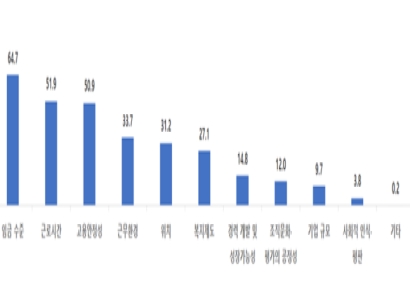 "Please Pay Me at Least 3 Million Won a Month": More Than Half of Young People Today Prioritize "Working Conditions" Over Company Size
- Selling Like Crazy Every Year... 30-Year-Old Hetbahn Takes on a New Challenge: Tastes Better Than "Mom's Home Cooking" [On-Site Report]
- He Left It in the Car and Forgot... "I Nearly Collapsed with Joy": Man Wins $1.48 Million Lottery
- Ran 18 km With 9-Year-Old Tied to Him at the Waist... "Man Banned From Competing for 3 Years"
- Beachgoer Finds 'Plastic' That Turns Out to Be Perfume Ingredient Worth More Than Twice as Much as Gold
A government official said, "We will continue to support price stabilization for key holiday goods through discount support and other measures until September 30, the last week of the Chuseok holiday, so that everyone can feel relief from the costs of holiday shopping. The joint public livelihood price task force will closely monitor supply and price trends of key products. For items where supply instability arises, measures such as strengthening discount events and increasing government stockpiles will be implemented quickly."
© The Asia Business Daily. All rights reserved. Unauthorized AI training and use prohibited.