Middle East War Sends Korean Petroleum Exports Soaring... Jet Fuel Export Volumes and Prices Surge
Jet Fuel Export Price Surges 137%
Diesel Export Volume Drops,
But Export Value Jumps 55% on Higher Prices
As concerns grow over supply disruptions of petroleum products due to the Middle East war, domestic oil refiners continue to see robust export performance. In particular, jet fuel export volumes and prices have both surged, resulting in export value nearly doubling. Meanwhile, although diesel export volume has declined, a significant increase in product prices has led to a rise in export revenue.
According to Korea National Oil Corporation's Petronet on September 23, jet fuel exports between March and July this year totaled 6.902 billion dollars. Compared to the 3.22746 billion dollars recorded from October last year to February this year, this represents a 113.9% increase on a monthly average basis.

Jet fuel saw both export volume and prices rise. From March to July this year, jet fuel export volumes reached 43.241 million barrels, a 19.7% increase compared to the period from October last year to February this year. Export unit prices also soared following the outbreak of war. The export price per barrel, which was 89 dollars in February this year, jumped to 184 dollars in March and climbed to 211 dollars in April. Although it then trended downward, dropping to 140 dollars in July, it still remained well above pre-war levels.
Despite a decrease in export volume, diesel export value increased. Diesel exports from March to July this year totaled 74.439 million barrels, a 14.2% reduction compared to the period from October last year to February this year. However, the export unit price rose sharply after the outbreak of war, boosting the average monthly export value from about 1.5034 billion dollars to 2.3252 billion dollars, a 54.7% increase. In other words, the jump in prices more than offset the decline in volume, resulting in a substantial increase in total export value.
Lube oil export prices also surged as supply gaps arose due to damage to production facilities in the Middle East. It is interpreted that domestic refiners benefited both in terms of export volume and price by partly filling the void left by Middle Eastern petroleum products in the wake of the war.
An oil industry official explained, "The actual export volume did not rise significantly compared to the same period last year, but since the Middle East war, the surge in crude oil prices has driven a rapid increase in export prices for jet fuel and diesel."
Even if the war ends, export prices are unlikely to immediately return to previous levels. If recovery and normalization of the damaged refining facilities are delayed, continued supply disruptions could keep petroleum product prices elevated.
Hot Picks Today
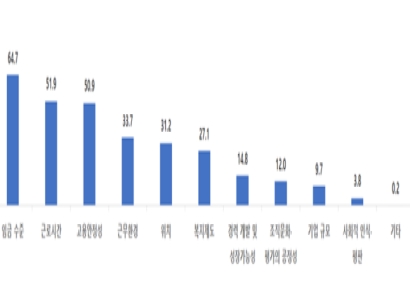 "Please Pay Me at Least 3 Million Won a Month": More Than Half of Young People Today Prioritize "Working Conditions" Over Company Size
- Selling Like Crazy Every Year... 30-Year-Old Hetbahn Takes on a New Challenge: Tastes Better Than "Mom's Home Cooking" [On-Site Report]
- I Thought Only 'Old Guys' Ate It... Young People Are Hooked on This 'Unusual Food' at Risk of Disappearing? [Delicious Stories]
- "Hey, Lady, Teach Your Kids to Behave!" ... 300,000 Won in Cash and a Bodily Injury Claim Demanded Over Child's Door Ding
- Beachgoer Finds 'Plastic' That Turns Out to Be Perfume Ingredient Worth More Than Twice as Much as Gold
An industry insider said, "Even if the war ends, it will be difficult for product prices to fall back to pre-war levels right away," adding, "Unless the production at the damaged refining facilities is restored to normal, the tight supply situation of refined products on the market is likely to persist."
© The Asia Business Daily. All rights reserved. Unauthorized AI training and use prohibited.