SKAI Intelligence Signs MOU with KAIST and Daim Research for Physical AI Technology Collaboration
SKAI Intelligence has signed a three-party memorandum of understanding (MOU) for technology collaboration in the field of physical artificial intelligence (AI) with the KAIST Manufacturing Physical AI Research Center and Daim Research.

According to SKAI Intelligence on September 23, the agreement will expand the scope of cooperation among the three organizations to include joint research and business projects for AI transformation in manufacturing, identification of pilot tasks, training of professionals, ecosystem development, and joint market cultivation.
The KAIST Manufacturing Physical AI Research Center has been conducting advanced research and developing core technologies in physical AI for manufacturing, leveraging its expertise in AI, robotics, and manufacturing systems. SKAI Intelligence has demonstrated its technological competitiveness in the global manufacturing physical AI sector by conducting joint proof-of-concept (PoC) projects with ABB Robotics—based on its synthetic data technology—and establishing a strategic cooperation framework.
Daim Research, utilizing its extensive experience in robotic integration, orchestration technology, and digital twin-based simulation capabilities accumulated across various manufacturing and logistics sites, has been promoting the field application and commercialization of autonomous manufacturing solutions that connect heterogeneous robots and equipment to optimize overall factory flows. By bringing together the research, technological, and field capabilities of the three organizations, a cooperative framework spanning research, demonstration, commercialization, and market expansion of physical AI in manufacturing has been established.
The three organizations will initially focus on joint business operations and technological integration within manufacturing physical AI. Combining their respective research, technological, and practical expertise, they aim to promote joint research and business covering equipment, logistics, and individual robots to robotic fleet operation, as well as to jointly identify demonstration projects that verify the applicability of these technologies in actual manufacturing environments.
They will also strengthen talent cultivation and technological exchange to support the industrial diffusion of physical AI. To foster professionals in fields such as physical AI, digital twins, synthetic data, robotics, and autonomous manufacturing, the organizations plan to jointly design and operate education, seminars, technical exchanges, and demonstration-linked programs for corporate and industry stakeholders.
Hot Picks Today
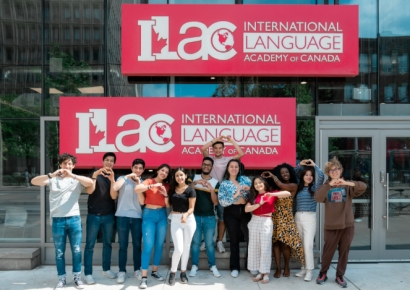 "Quit Job to Start Life in Canada, Now Forced to Return Home"… Language School Closure Leaves Korean Students Stranded
- "Now Going the Other Way": Travel Agencies Bet on the 'K-Wave' as Inbound Becomes the New Profit Formula
- 'Japan in Chaos' as Unprecedented Outbreak Spreads ... "Four Days Is Too Short," Yet Japan Remains Top Travel Pick
- "Is That Family's Daughter Unemployed? My Son Is Too" ... Sri Lanka's Youth Unemployment Rate Among Graduates Hits 43%
- "Thought It Was a Student Meal at This Price"... A 2,400-Won Meal at a Five-Star Hotel, What's Going On?
The cooperation among the three organizations will extend beyond individual technologies and projects, expanding to the physical AI ecosystem and joint market development. They plan to broaden the interface between technology and the manufacturing industry through domestic and international conferences and forums, demonstrations, site tours, and business matching. By connecting their respective networks of academic, industrial partners, and clients, they aim to uncover new collaboration opportunities and business prospects. Through these efforts, they seek to expand the industrial base for physical AI technology and create a virtuous cycle ecosystem leading to continued joint research and business.
© The Asia Business Daily. All rights reserved. Unauthorized AI training and use prohibited.