[Kok! Health] Beware of Stroke During Chilly Morning and Evening Holidays... Hypertension Raises Risk by 3 to 5 Times
About 10–15% of All Patients Are Under 50
High-Risk Groups Should Consider Screening
Focus on a Diet Rich in Omega-3
During the change of seasons, when the temperature difference between morning and evening increases, people who are at high risk of stroke should exercise special caution, as abrupt temperature changes can lead to elevated blood pressure or dehydration. In particular, it is important for older adults, as well as individuals with hypertension, diabetes, dyslipidemia, or atrial fibrillation, and those who have experienced stroke in the past, to avoid prolonged exposure to sudden cold or heat.

According to Seoul St. Mary’s Hospital at The Catholic University of Korea on September 25, rapid changes in temperature act as an environmental factor that increases the risk of stroke. Exposure to sudden cold can activate the sympathetic nervous system and cause blood vessels to constrict, resulting in higher blood pressure. Conversely, during hot weather, peripheral blood vessels dilate and increased sweating can lead to dehydration and concentration of the blood.
Especially, individuals who are elderly or have risk factors for stroke such as hypertension, diabetes, dyslipidemia, or atrial fibrillation, as well as those who have previously suffered from stroke, may be more vulnerable to abrupt weather changes. Observational studies have also reported that extreme heat and cold, as well as large fluctuations in temperature, are associated with an increased risk of stroke.
Stroke is classified into ischemic stroke—also called cerebral infarction—which is caused by blockage of a cerebral blood vessel, and hemorrhagic stroke—also called cerebral hemorrhage—which occurs when a blood vessel ruptures. In Korea, the incidence of cerebral infarction is higher, but cerebral hemorrhage poses a greater risk of death or severe disability than cerebral infarction. This is because a ruptured blood vessel can directly damage surrounding brain tissue and cause a rapid increase in intracranial pressure.
It is also important not to regard stroke as a disease affecting only older adults. It is known that about 10–15% of all stroke patients are under the age of 50. Hemorrhagic stroke is largely divided into intracerebral hemorrhage, which is bleeding from small vessels within the brain tissue, and subarachnoid hemorrhage, which occurs when a cerebral aneurysm on the brain’s surface ruptures. Both conditions often have poor prognosis even after treatment, so prevention is crucial.
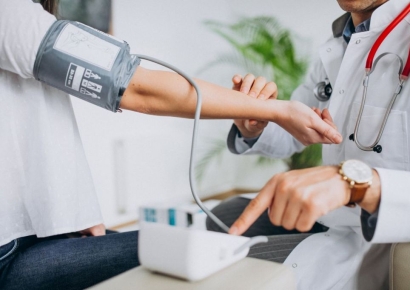
The key to stroke prevention is blood pressure management. Data shows that people with hypertension are 3 to 5 times more likely to experience a stroke than healthy individuals. Conversely, reducing systolic blood pressure by 10 mmHg can lower the risk of stroke by about 20 to 30 percent, and this preventive effect is particularly significant for hemorrhagic stroke.
Individuals at high risk for cerebral aneurysm should also consider screening tests. Cerebral aneurysms often have almost no symptoms before rupture. This high-risk group includes those with two or more immediate family members who have had cerebral aneurysms or subarachnoid hemorrhage, those with genetic disorders such as autosomal dominant polycystic kidney disease (ADPKD) that increase the risk of cerebral aneurysm, or those with a past history of cerebral aneurysm rupture.
Managing eating habits can also help. It is recommended to choose multigrain rice or whole-wheat bread instead of white rice, and to focus on the solid ingredients in soup rather than the broth. Consuming fish rich in omega-3, such as salmon, mackerel, and Pacific saury, twice a week and regularly eating fresh vegetables, fruits, and nuts can also help lower the risk of stroke.
Hot Picks Today
 A 12-Year-Old Girl Went to the Hospital After Her Blood Pressure Hit 225 and Was Stunned: "What Is This Coral Reef-Like Thing in Her Aorta?"
- "Hey, Lady, Teach Your Kids to Behave!" ... 300,000 Won in Cash and a Bodily Injury Claim Demanded Over Child's Door Ding
- "Samsung Electronics Employees Commute by Shuttle Bus"... More Than 5,000 Homes to Be Supplied in Seoul and Busan [Real Estate A to Z]
- "If This Airs, I'm Dead"... Why a Restaurant Refused to Let Jeon Hyunmoo's Show Film
- "Once You Try It, You Can't Stop, but It's at Risk of Disappearing"... Young People Are Hooked on "Smoked Pickled Radish" [Delicious Stories]
Above all, if you suddenly experience weakness or numbness in one arm or leg, drooping of one side of your face, or sudden slurred speech or difficulty understanding speech, do not dismiss these symptoms as merely temporary fatigue. Since such symptoms are typical warning signs of stroke, you should seek emergency medical attention immediately.
© The Asia Business Daily. All rights reserved. Unauthorized AI training and use prohibited.