Chinese Robots Reach "America's Got Talent" Finals, Judges Call Kung Fu Dance "Absolutely Overwhelming"
Wu Yufei, a Street Dancer with 13 Years of Experience, Performs with Robots
Draws Attention by Reaching the Finals of a Major US Audition TV Show
China's humanoid robot troupe appeared in the finals of "America's Got Talent" (AGT), one of the most prominent public audition TV shows in the United States, drawing considerable attention.

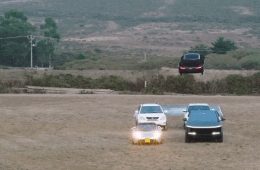
Stage of the Chinese humanoid robot team that advanced to the finals of "America's Got Talent." Screenshot from YouTube video.
View original imageAccording to AFP on September 22, "Homies" (meaning "close friends"), the team led by 27-year-old street dancer Wu Yufei from Sichuan Province in southern China, took the AGT finals stage together with robots from Unitree, a leading Chinese humanoid robotics company. They presented a group dance based on kung fu, earning enthusiastic praise from the judges and applause from the audience.
Judges who watched Wu Yufei's team's performance exclaimed, "I've never seen anything this crazy in my life" and "It's absolutely overwhelming." Another judge admitted, "Honestly, it's a bit scary," while pressing the pass button.
In China, it has become common for humanoid robots to be invited to both large and small events. Wu Yufei, who has 13 years of dance experience, said that performing on stage with the Unitree humanoid dance team felt "magical." After training with the robots for several months, he remarked that they felt like much more than "cold, lifeless machines."
Artistic director Fang Zhenghua, who was in charge of preparing this performance, said that teaching robots to dance is "similar to creating a soul." Each human dancer's movement needs to be programmed into the robot, and on-site collaboration with engineers is essential to solve technical issues that might arise in real time during live shows.
Choreography that would be hard for robots to execute, especially moves requiring a high degree of physical flexibility, is ruled out from the start. No matter how perfectly prepared they are, if the music suddenly changes on site, the robots cannot adapt as flexibly as humans can.
Despite these challenges, the Chinese industry views putting robots on stage as a prime opportunity to showcase their capabilities. Among the endless stream of humanoid startups, it is a way to make their names known to the public.
However, many companies are struggling to find ways to use robots commercially outside of entertainment, so it is expected that it will take considerable time for them to become as widespread and useful in everyday life as AI chatbot models like ChatGPT.
Hot Picks Today
 Despite "Insufficient Balance" Notices, They Board Anyway... Reports of Foreign Fare Evasion Mounting
- "Photos of Kim Jong Un Released by North Korea Are a Deception"... Debate Over Death Rumors Continues
- [Exclusive] "We Came for a KRW 140,000 Trip": Following Chinese Tourists in Korea Uncovers a 'Suspicious' Tour
- 14-Year-Old Student Bitten and Paralyzed While Attempting an 'Illegal Trade' in a Cobra; Airlifted to Hospital
- "Baek Jongwon Had Been Quiet, Then Hit It Big"... Waits in the 100s in U.S. Despite KRW 46,000 Pork Belly
Meanwhile, Unitree debuted on the Shanghai stock exchange in mainland China in August. The stock surged 629% on its first trading day, but has since fallen to half its peak, raising concerns of a "peak out."
© The Asia Business Daily. All rights reserved. Unauthorized AI training and use prohibited.