KFTC Launches Preliminary Review of Uber-Baemin Merger... Probing the $13.7 Billion Mega Deal
A "Conglomerate Merger" Between the No.2 Taxi-Hailing Service and the No.1 Food Delivery Platform
Assessing Market Advantages and Disadvantages Amid a Shifting Platform Ecosystem
The Korea Fair Trade Commission (KFTC) has received a preliminary business combination review application regarding Uber Technologies' proposed acquisition of all shares in Germany's Delivery Hero (DH), and has officially begun its review process.

On September 22, the KFTC announced that it has accepted Uber's preliminary review application for its plan to acquire all of DH's shares through a public tender offer and has commenced its assessment. The preliminary review system examines potential anticompetitive concerns before the formal notification of a business combination. Uber intends to complete its acquisition subscription by November and, after securing clearance from competition authorities in each relevant country, to finalize the share acquisition in the second half of next year. DH currently holds a 99.98% stake in Woowa Brothers, Korea's leading food delivery platform, through its subsidiary 'Woowa DH Asia,' so once the deal is completed, Uber will acquire management control over Baemin. The total value of the transaction amounts to approximately 13.7 billion dollars (about 18.5 trillion won).
The core issue the KFTC is exploring in its review is the broader impact that this substantial "conglomerate merger" between the distinct platform sectors of mobility and delivery will have on market competition. As of this year, Kakao Mobility dominates the domestic taxi-hailing market with 13.58 million monthly active users (as of February), followed by Uber at 650,000 users. In the food delivery app sector, Baemin (Baedal Minjok) maintained its first-place position in the first half of the year with 23.4 million monthly active users, outperforming Coupang Eats (13.15 million) and Yogiyo (4.21 million).

The KFTC plans to closely examine whether the synergy effects arising from the combination of Uber's mobility service and Baemin's delivery service will restrict market competition. If actions such as launching integrated memberships, cross-promotion between the companies' apps, or joint advertising and marketing for franchisees are implemented, some experts warn that Baemin’s dominance in the delivery app market could shift influence into the mobility sector or vice versa, with the mobility platform’s power further consolidating the delivery market. Uber has also identified the expansion of cross-usage and the offering of integrated advertising services as key benefits expected from this merger.
Hot Picks Today
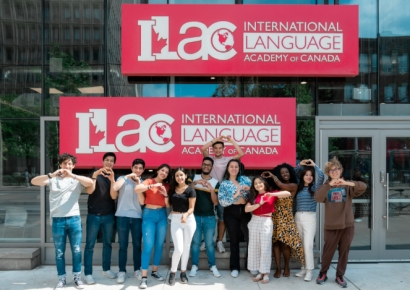 "Quit Job to Start Life in Canada, Now Forced to Return Home"… Language School Closure Leaves Korean Students Stranded
- [Exclusive] "Oh, Oh! Why Is the Seatback Like This?" Hyundai Ioniq 9 Recalled in Korea: 15,000 Units Due to Power Seat Entrapment Risk
- [Breaking] Line 2 trains passing Ewha Womans University Station without stopping again due to 'machine room fire'... Screen door malfunction
- "When Was the Last Time I Went?" With Fewer Visitors, 80% of Japan’s Neighborhood Bathhouses Disappear in 50 Years
- Hanwoo Can't Even Dream of This... "Melts in Your Mouth" as Wagyu Hits It Big in U.S. Supermarkets and Fast-Food Chains
The KFTC stated, “Our review will comprehensively consider not only the impact of this business combination on the competitive structure of the domestic taxi-hailing and food delivery app markets and the activities of competing businesses, but also its ramifications for the choices available to franchisees and consumers. We will carry out a strict and thorough assessment in accordance with the standards and procedures set forth in the Fair Trade Act.”
© The Asia Business Daily. All rights reserved. Unauthorized AI training and use prohibited.