"From Paper Packs to White Board"... Hansol Paper Signs MOU to Improve 'Paper Pack Recycling System'
MOU Signed with the Ministry of Climate, Obligated Producers, and Recycling Industry
Establishing a Circular System for Paper Pack Collection and Recycled Material Utilization
Hansol Paper is establishing a resource circulation system to recycle collected paper packs into recycled pulp and white board paper.

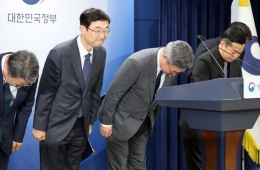
Hansol Paper signed a business agreement to improve the paper pack recycling system at its Daejeon plant, together with the Ministry of Climate, Energy and Environment, obligated recycling producers, the recycling industry, paper pack manufacturers, and related organizations. Attendees, including Minister of Climate, Energy and Environment Seonghwan Kim (fifth from the left) and Hansol Paper CEO Kyungrok Han (sixth from the left), are posing for a commemorative photo. Hansol Paper
View original imageOn September 22, Hansol Paper announced that it had signed a memorandum of understanding at its Daejeon plant, located in Daedeok-gu, Daejeon, together with the Ministry of Climate, Energy and Environment, obligated producers for recycling, the recycling industry, paper pack manufacturers, and related organizations, to improve the paper pack recycling system.
The agreement participants included Seoul Dairy Cooperative, Maeil Dairies Co., the Paper Pack Recycling Council, Ssangyong C&B, SIG Combibloc Korea, Tetra Pak, Korea Packaging Recycling Cooperative, and the Korea Resource Circulation Service Agency.
This agreement is designed to establish a resource circulation system covering everything from collection of paper packs to the use of recycled materials. Paper packs, made from high-quality virgin pulp, are highly valuable resources, but there have been recycling limitations as many have been discarded as general wastepaper or thrown away in volume-based bags.
Under the agreement, obligated producers for recycling will expand their contributions to recycling support funds and purchase more recycled paper pack products. Paper pack manufacturers will assist technological development from the design stage to enhance recyclability and will promote advancements in sorting systems through equipment such as optical sorters.
The recycling industry will be responsible for sorting high-quality paper packs and producing recycled paper products. The Korea Packaging Recycling Cooperative and the Korea Resource Circulation Service Agency plan to increase industry participation by providing public awareness campaigns, managing recycling performance, and offering both administrative and financial support, including the payment of recycling support funds.
Hansol Paper operates a paper pack recycling facility at its Daejeon plant, the largest white board production base in Korea. The company produces recycled pulp in-house, which is used as a raw material for a variety of paper products, including white board paper.
Through this agreement, the company expects to ensure a stable supply of high-quality recycled materials, reduce waste, stimulate the recycling market, and spread a culture of proper separation and disposal practices among the public.
Kim Sung-hwan, Minister of Climate, Energy and Environment, said, "This agreement is a meaningful commitment to connect the entire lifecycle from paper pack production to recycling into a single circular system," adding, "We will do our utmost to create an institutional foundation, such as establishing paper pack separation and disposal systems, and provide policy support to ensure the stable implementation of paper pack recycling systems on-site."
Hot Picks Today
 "Even New York Taxi Drivers Are Talking About the KOSPI; South Korean Market to Top 9,000 Again Within a Year"... 'Wall Street's Stock-Picking Ace' Names His Picks
- “Made 2 Billion Won in One Year in Prison,” PPP Lawmaker Retorts: “If You’re Jealous, Go There Yourself”
- "There's No Profit in Selling It"... Gimbap Disappearing from Menus
- “Washing Dishes and Folding Clothes 200 Times a Day”... China’s “Robot Trainers” Earn Up to 1.2 Million Won a Month
- "Shall We Grab a Drink?" KRW 30,000 a Round... Young Adults: "Prices Make My Hands Shake; I Can't Drink Out"
Han Kyung-rok, CEO of Hansol Paper, said, "Paper packs made from high-quality virgin pulp are a resource that can be used once again as a raw material for various types of paper products through recycling," and continued, "With this agreement, we will actively contribute to building a resource circulation ecosystem extending from production to collection and regeneration of paper packs, and strive to realize a sustainable and eco-friendly circular economy."
© The Asia Business Daily. All rights reserved. Unauthorized AI training and use prohibited.