Corruption and Public Interest Reports to Reward 30% of Recovered Funds... Compensation Cap Abolished
Anti-Corruption and Civil Rights Commission Amends Relevant Enforcement Decrees
New Provisions Take Effect Starting September 29
The scope of compensation for whistleblowers who help public institutions recover funds by reporting acts of corruption or violations of the public interest is being expanded. Going forward, whistleblowers will be able to receive 30% of the recovered or saved amount as a reward.

According to the Anti-Corruption and Civil Rights Commission on September 22, amendments to the Enforcement Decree of the Anti-Corruption and Civil Rights Commission Act, the Enforcement Decree of the Act on the Protection of Public Interest Whistleblowers, and the Enforcement Decree of the Act on Securing Public Finance Recovery were approved at a Cabinet meeting on this day. The amended enforcement decrees will come into effect on September 29.
Previously, a differential rate of 4–30% was applied to the amount eligible for compensation, depending on the case. From now on, a flat rate of 30% will be used to calculate compensation, regardless of the amount involved. However, the current criteria for reducing compensation—taking into account the accuracy of the report, the reliability of the evidence, and the whistleblower's contribution—will remain in place.
The maximum cap on compensation payments will also be abolished. Previously, in cases of corruption reports and violations of the Act on Securing Public Finance Recovery (excluding public interest reports), even if the calculated compensation was large, the payment was limited to a maximum of 3 billion won. After the amendment, compensation will be paid in full without a maximum cap. With this revision, the cap on compensation payments for reports of violations of the Improper Solicitation and Graft Act and the Conflict of Interest Prevention Act, which follow the compensation provisions of the Anti-Corruption and Civil Rights Commission Act, will also be abolished. The updated payment criteria will apply to compensation applications filed after the enforcement decree comes into effect.
Hot Picks Today
 "Two Spend 500,000 Won in a Flash, Yet Wait Two Hours?" ... 'Dreamland' Shunned by Kids and Foreign Tourists
- The Era of Getting 200 Million Won After 30 Years Is Over... A Japanese Bank's "Perpetual Department Head" Who Just Clocked In Cries Out
- Spain Hit by Its Worst Tragedy... Lee Kangin, Moreno and Real Madrid Join Soccer World in Mourning
- They Said, “Make It Your Home for Life” - Then Suddenly Kicked 200 Passengers Off... What Happened to the Around-the-World Cruise?
- "130 Rice Bowls Sold Out in a Day"... 'Unfiltered Face' Adds 8 Million Won to Night Market Sales: China's Bungeunwoo
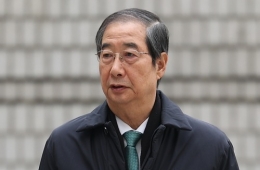
Jung Ilyeon, Chairperson of the Anti-Corruption and Civil Rights Commission, emphasized, "Reporting acts of corruption and violations of the public interest plays a crucial role in uncovering corruption and safeguarding the public good," and added, "I hope that this amendment to the enforcement decrees will serve as an opportunity to encourage more active whistleblowing by providing rewards commensurate with whistleblower contributions."
© The Asia Business Daily. All rights reserved. Unauthorized AI training and use prohibited.