"I've Already Booked My Trip to Japan, But This Is Serious"...Highest Number of Measles Cases in Japan in a Decade Spurs Emergency Alert
549 Measles Cases Reported in Japan as of Late August
Influenza Outbreak Occurring Five Weeks Earlier than Usual
In Japan, which is expected to be the most popular overseas destination for travelers during the Chuseok holiday, the number of measles cases has reached its highest level in the past decade, calling for caution among visitors.
According to the Korea Disease Control and Prevention Agency on September 21, as of the end of August this year, 549 cases of measles had been reported in Japan, the highest number in the past ten years.

Measles is an airborne infectious disease with an extremely high rate of transmission. If a person without immunity comes into contact with a patient, the likelihood of infection can exceed 90%.
Symptoms of measles include fever, cough, runny nose, conjunctivitis, and a widespread rash. In particular, infants, young children, pregnant women, and others with weakened immune systems are at high risk of developing severe complications such as pneumonia or encephalitis. Therefore, those who have not completed two doses of the measles (MMR) vaccine or whose vaccination status is unclear should check their immunization records before traveling.
The influenza season in Japan also began earlier than usual this year. In 2026, the influenza outbreak started in week 34, which is five weeks earlier than the average. When visiting places with large crowds, such as festivals or multi-use facilities, travelers are advised to wash their hands, practice proper cough etiquette, and wear a mask if they develop respiratory symptoms to prevent infection.
Southeast Asia Travelers Advised to Beware of Mosquito-Borne Diseases

On December 31st last year, the first passenger terminal at Incheon International Airport was bustling with travelers ahead of the New Year's bridge holiday.
View original imageTravelers to Southeast Asian countries such as Vietnam, Thailand, and the Philippines should be vigilant about mosquito-borne diseases like dengue fever. It is recommended to apply mosquito repellent every three to four hours and wear long, light-colored clothing. If you are bitten by mosquitoes or develop symptoms such as fever, headache, or muscle pain upon arrival, you should report it to a quarantine officer and receive a free dengue fever test.
In China, to prevent avian influenza (commonly known as "bird flu") in humans, travelers should avoid visiting poultry farms and live poultry markets. If visiting or passing through key quarantine management regions in China such as Guangdong Province, Guangxi Zhuang Autonomous Region, Sichuan Province, Yunnan Province, Jiangxi Province, Chongqing City, or Tianjin City, travelers are required to submit quarantine information in advance via Q-CODE (Quarantine Information Pre-entry System) or a health status questionnaire.
Hot Picks Today
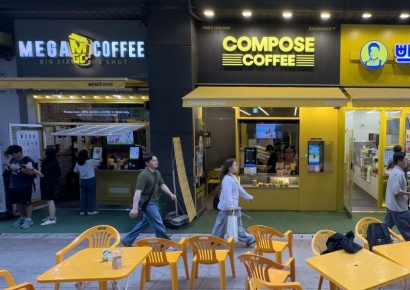 "I Went for the Cheap Coffee, but Now I Feel Uneasy"... Major Coffee Franchises Cited for Violations One After Another
- In Korea, Studying Medicine Is in High Demand, but in China, It's Shunned: "Why Become a Doctor When You Can’t Make Money?"
- "Surprisingly Real, Perfect Like AI" -- Global Media Praise Korean Fencer's Beauty
- "50 Million Won for Weekly Encounters"... Man in His 60s Sentenced for Deceiving Woman in Her 20s with Forged 1.4 Billion Won Account
- "I've Already Booked My Trip to Japan, But This Is Serious"...Highest Number of Measles Cases in Japan in a Decade Spurs Emergency Alert
Meanwhile, during this year's Chuseok holiday (September 24-27), Japan was revealed to be the most popular overseas destination for Korean travelers. By city, Osaka, Fukuoka, and Tokyo ranked first through third, respectively. According to Trip.com Group, which operates Trip.com, on September 21, data analysis of Chuseok holiday domestic and international travel bookings confirmed that Japan, a representative short-distance holiday destination, was the most visited overseas country during the Chuseok holiday, followed by Da Nang and Nha Trang in Vietnam, and Shanghai in China.
© The Asia Business Daily. All rights reserved. Unauthorized AI training and use prohibited.