Nationwide Emergency Patient Transfer Guidelines Finalized: “On-Site Compliance Inspections for Chuseok Holiday”
Vice Minister Lee Hyung-hoon Inspects Emergency Patient Transportation in Busan, Ulsan, and Gyeongnam
Strengthening Priority Admission and Regional Joint Response for Critically Ill Emergency Patients
In an effort to reduce so-called "emergency room runaround" situations, where emergency patients struggle to find available treatment, the government has established transportation protocols by city and province tailored to specific diseases and situations. Ahead of the Chuseok holiday, authorities are actively inspecting on-site operations to ensure these guidelines are being properly implemented in practice.

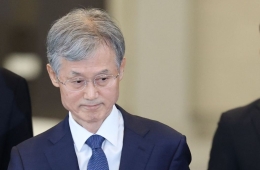
On September 21, Lee Hyung-hoon, Second Vice Minister of Health and Welfare, visited Pusan National University Hospital to review the emergency patient transportation system, maternal and child healthcare system, and the readiness to prevent medical service gaps during the Chuseok holiday across Busan, Ulsan, and Gyeongnam. He also held a meeting with frontline medical staff. This marks the sixth inspection of regional transportation systems following previous visits to Incheon (January), Gwangju and Jeolla (February), Gangwon (April), Daegu and Gyeongbuk (June), and Daejeon and Chungcheong (August).
To address delays in transporting emergency patients, the government conducted a pilot project for the "Emergency Patient Transportation System Innovation" in the Gwangju and Jeolla areas from March to May earlier this year. Based on the outcomes of this project, all cities and provinces nationwide were required to overhaul their transportation guidelines. As of September 2026, these regions, together with emergency medical institutions, local fire departments, and regional emergency medical control centers, have completed revisions and are implementing the new protocols in stages.
The new transportation guidelines specify available medical institutions and detailed criteria for transferring and admitting patients by disease and situation. If transfers of critically ill or emergency patients are delayed, the regional emergency medical control center will respond jointly with relevant agencies, and pre-designated priority hospitals will be utilized.
Taking into account Busan's geographic characteristics with many maritime and industrial complexes, the guidelines for Busan include a stepwise care system for acute poisoning emergencies and a regional trauma care system. In Ulsan, the roles of each emergency medical institution have been specifically outlined through analysis of available resources and clinical capabilities. In Gyeongnam, where there are numerous agricultural and fishing villages and mountainous areas, the provincial control center coordinates transfers and admissions between emergency medical institutions using an information system to address potential delays. Busan, Ulsan, and Gyeongnam have also agreed to collaborate for more efficient use of emergency medical resources across the region.
The Ministry of Health and Welfare and the National Fire Agency plan to directly inspect the implementation of transportation guidelines at the field level in each region starting next month. They will also assess the capacity of local hospitals to treat critical emergency cases and allocate additional medical infrastructure to under-resourced areas.
In particular, the number of regional emergency medical centers, currently at 44, will be increased to 53, focusing on strengthening capacity for critical emergency treatment. To address regional disparities in healthcare personnel, initiatives such as the “Local Physician Scheme” will be pursued. The government will also reform subordinate laws under the Medical Dispute Mediation and Relief Act to reduce legal burdens on emergency medical staff, and move forward with amendments to the Emergency Medical Services Act to expand the range of liability exemptions for emergency care providers.
On this day, Vice Minister Lee also visited the regional maternal and child healthcare center at Pusan National University Hospital to examine measures for preventing care gaps for high-risk pregnant women and newborns during the Chuseok holiday. He checked that the 24-hour emergency hotline (hotline) between core institutions for critical care and regional delivery centers was operating effectively, and that rapid patient transfer and admission systems were functioning to avoid disruptions in care due to shortages of delivery infrastructure or emergency situations at night or on holidays.
In line with the "Measures to Improve Medical Care for High-Risk Pregnant Women and Newborns" announced in May 2026, the government has increased the number of staff dedicated to handling patient transfers in the National Maternal and Child Healthcare Center, enabling faster hospital assignment and transportation. In July, additional collaborative initiatives were designated for the Chungbuk, Chungnam, and Jeju regions through expanded participation in the pilot program for maternal and child medical cooperation. Looking ahead, the government plans to further expand and reorganize maternal and child healthcare centers, broaden health insurance coverage, and mitigate the burden of medical accidents to ensure a safe delivery environment.
Hot Picks Today
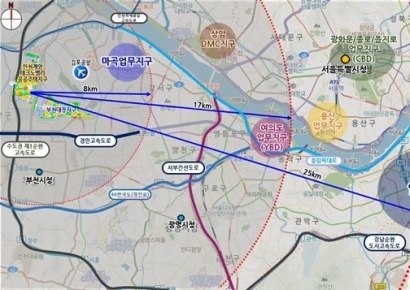 "Why Live in Seoul When You Can Pay Half Here?" 30 Minutes to Gangnam... Private Sales Begin in Gyeyang New Town
- "Living Becomes Easier Thanks to SK Hynix, But Conservative U.S. Cities Remain Torn Inside [U.S. Midterm Election D-40]②-2"
- "I Went for the Cheap Coffee, but Now I Feel Uneasy"... Major Coffee Franchises Cited for Violations One After Another
- "Had All My Tickets Booked for Chuseok"... Measles Outbreak and Typhoon Cause Chaos, but Japan Remains Top Choice
- "After Spending 170,000 Won on Hanwoo, This Is What I Got": Why Webtoon Artist Kim Gyusam Decided to Give Cash Instead
Vice Minister Lee urged, "Please pay close attention so that the transportation system established jointly by emergency medical institutions, local fire departments, regional emergency medical control centers, and local governments operates smoothly on the ground, thereby reducing cases where emergency rooms are unable to accept patients."
© The Asia Business Daily. All rights reserved. Unauthorized AI training and use prohibited.