Daiso: "All 8 Sunscreen Products Meet MFDS Standards"... Clinical Tests by Specialized Institutions Completed
Clinical Trials Conducted at Four Institutes Including Korea Dermatology Research Institute
All Eight Companies' Products Confirmed to Meet Standards
Test Reports and Human Application Data Submitted to the MFDS
Request Made to YouTube for Video Removal and Content Correction
Asung Daiso announced on the 21st that all eight sunscreen products sold by the company have been confirmed to meet the standards set by the Ministry of Food and Drug Safety (MFDS), in relation to recent controversy regarding sunscreen efficacy.
Previously, the YouTube channel "Skin is Mindongsung" posted content on July 9 and 20 alleging that certain sunscreens failed to meet efficacy standards. In response, Daiso and its product suppliers conducted additional testing through specialized clinical institutions, confirming that all eight products met the MFDS standards for ultraviolet protection efficacy.

The test subjects were sunscreen products from the following eight brands: Gwailnara, Kim Jung Moon Aloe, The Lab by Blanc Doux, Dewytree, Bonsep, Beprouve, Scinic, and VT. Responsible sellers for each product include Wellcos, Kim Jung Moon Aloe, Arenkay, Dewytree, TonyMoly, Cosmocos, 11st, and VT Cosmetics, while the manufacturers are Wellcos, Korea Cosmetic Manufacturers, Reborn Cosmetic, Nowcos, Cosmax, Cosmocos, Cosmax, and Cody.
In accordance with the MFDS notification titled "Regulations on the Review of Functional Cosmetics," the eight companies conducted the tests at four locations: Korea Dermatology Research Institute, Korea Institute of Dermatological Sciences, P&K Skin Clinical Research Center, and HLK Clinical Center. All clinical tests were conducted on 10 or more valid participants, as stipulated by the MFDS notification.
Additionally, in response to MFDS requests for data submission, the companies submitted relevant documents such as product specification sheets, product test reports, and recent human application test reports, which allow for verification of quality and UV-blocking effectiveness, to the local MFDS authorities. Daiso stated that, based on this documentation, all eight products were confirmed to meet the criteria specified in the MFDS notification.
Prior to these clinical studies, Daiso also conducted non-clinical (in vitro) and preclinical testing to confirm product performance, and reported that all eight products met the relevant standards.
Hot Picks Today
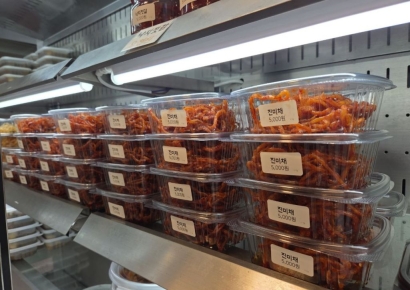 "Auntie, When Will Dried Shredded Squid Return as a Side Dish?"...Once Vanished from Restaurants, Now Making a Comeback
- "Quitting a Big Corporation Makes Sense": Six-Figure Salaries and Overseas Travel Attract Highly Educated Workers to This Job
- A Single Ring Targets $22 Billion... The Secret to Its Valuation Is 'Data' [Weekend Money]
- "Packed Plenty of Bamboo Shoots?"...Pandas Pingping and Puxiang Depart China, Begin 10-Year Stay in US
- Already 1,000 Examined, Stirring Up Protest: "Why Go to the Army When We Said No?" Students Rally in the Streets
Based on the recent test results, Daiso plans to request that the YouTube channel removes the related videos and corrects the content to reflect factual information. The company announced that, if the request is not accepted or if similar or identical claims continue to be made, it will pursue legal action.
© The Asia Business Daily. All rights reserved. Unauthorized AI training and use prohibited.