ABL Bio's Credibility in Doubt as Market Cap Drops by 10 Trillion Won in Eight Months
From a High of 245,500 Won to 56,000 Won
Weak Performance in Key Pipeline Projects
Growing Investor Distrust Amid Insider Trading Allegations
The market capitalization of ABL Bio, currently under compulsory investigation for alleged use of undisclosed information, has decreased by more than 10 trillion won in just eight months. The decline that began with delays in candidate drug development has continued, driven by suspicions of insider trading involving the management's family members and controversies over the disclosure of technology transfer contracts. This trend is being analyzed as a result of both the instability of candidate drug achievements, which serve as a key indicator of a new drug development company's credibility, and the company's information management system.
According to the Korea Exchange on September 21, ABL Bio's share price fell to around 55,000 won immediately after the market opened that day, dropping 1.61% compared to the closing price on September 18. The market capitalization now stands at 3 trillion and 84.9 billion won. Compared to the all-time high set on January 29 this year, the share price is down by 78%, with the market capitalization reduced by 10.4 trillion won. This is the lowest level in the past year.

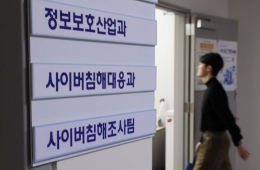
The Joint Task Force for Eradication of Stock Price Manipulation, comprised of the Financial Services Commission, Financial Supervisory Service, and Korea Exchange, conducted a raid on September 15 at eight locations, including ABL Bio’s headquarters in Gangnam, Seoul. On that single day, ABL Bio’s share price plummeted by 8%. Over the latest four trading days last week, the decline rate reached 13.7%. The task force is reportedly investigating suspicions that CEO Lee Sanghoon's family and spouses of registered executives purchased shares before the announcement of technology transfer agreements with GSK and Eli Lilly, then sold them after disclosure, allegedly reaping illicit profits exceeding 1 billion won. Technology transfer contracts go through evaluation of candidate substances, due diligence, and negotiation of contract terms, involving research and development, business development, and legal teams, among others. Authorities are now investigating at which stage the confidential information may have been leaked.
The drop in priority or lack of achievements for candidate drugs transferred to partner companies affected the share price decline in the first half of the year. In its January earnings announcement, Sanofi revealed that it had downgraded the development priority of Parkinson’s disease candidate ABL301, which it licensed from ABL Bio. The following day, ABL Bio’s share price dropped by 19.5%. ABL301, which utilizes the Grabody-B blood-brain barrier (BBB) shuttle platform, is the only compound of its kind to have reached the verification stage in human trials. A delay in its development inevitably postpones the timing for clinical data collection on the platform. In April, Compass Therapeutics announced that Toveximig (ABL001)—a biliary tract cancer treatment licensed from ABL Bio—failed to hit the overall survival (OS) endpoint in its Phase 2/3 clinical trials. The next day, ABL Bio’s share price plunged by 19.3%.
Sanofi Technology Transfer Candidate Reignites Controversy
The issue of Sanofi’s change in priority has resurfaced eight months later in light of the latest raid. In its annual report (20-F) for 2025, submitted in February, Sanofi categorized ABL301 as a “development discontinued” candidate, a departure from the previous “deprioritized” label used in an earnings announcement.
On September 17, ABL Bio released Sanofi’s response regarding this matter on its official Telegram channel. Sanofi stated, “ABL301 has been categorized as ‘discontinued’ in our R&D portfolio, and this is the appropriate terminology for the financial and legal scope of the 20-F.” Sanofi added that it continues to explore other collaboration opportunities. However, there was no mention of maintaining the license agreement or outline of follow-up development plans.
Remaining Opportunities for Rebound Lie in Proprietary Pipeline
With the outcomes of technology transactions with global big pharma falling short of expectations and now allegations of unlawful insider share trading, there is growing skepticism about ABL Bio’s ability to engineer an immediate share price rebound. As such, attention is increasingly focused on the achievements of the company’s proprietary pipelines.
Hot Picks Today
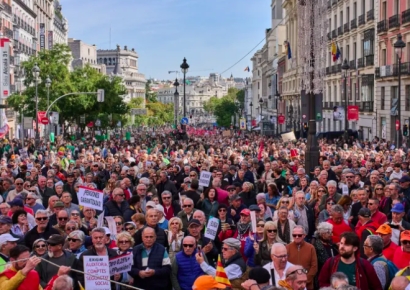 "They're Coming After My Pension Too?" Public Unease Mounts... Spain Sees Mass Protest Over Reform Push
- "300,000 Won Grant" Shelved at Chuseok to Go to All Residents After All... This City Says It Will Pay Before Lunar New Year
- "A Really Beautiful Butt"... How Did Nicki Minaj React to Trump's Unexpected Remark?
- "Stockpile 9 Liters of Bottled Water and Three Days' Worth of Food"... UK on Edge as Nationwide Emergency Preparedness Alert Issued
ABL111, a gastric cancer treatment designated for fast track by the U.S. Food and Drug Administration (FDA) in June, is a prime example. ABL Bio is striving to initiate a global Phase 3 clinical trial within the year and is also pushing for additional technology transfer deals. The results of accelerated approval discussions with the FDA regarding Toveximig are also drawing interest. Joint research on Grabody-B with GSK and Eli Lilly remains in the early stage of candidate selection, so it is expected to take some time before any results can be confirmed.
© The Asia Business Daily. All rights reserved. Unauthorized AI training and use prohibited.