KAI Obtains International Anti-Corruption and Compliance Certifications...Strengthening ESG Management
Acquisition of ISO 37301 and ISO 37001 International Certifications
Korea Aerospace Industries (KAI) is strengthening its compliance and anti-corruption management system based on international standards, advancing the sophistication of ethical and compliant management.

On the 17th, KAI obtained the renewal of the international standard compliance management system and the certification for the transition to the anti-corruption management system standard from the Korea Compliance Institute (KCI). From the right in the photo: Yonggi Lee, President of Korea Compliance Institute; Myeongho Kim, Executive Director of Compliance Management Office at KAI; Jaeyoon Choi, Team Leader of Compliance Management Team. Photo by KAI
View original imageOn September 17, KAI announced that it had obtained the renewal certification for the International Standard Compliance Management System (ISO 37301:2021) and the conversion certification for the Anti-Corruption Management System (ISO 37001:2025) from the Korea Compliance Institute (KCI).
ISO 37301 and ISO 37001 are international certifications that assess whether a company's systems systematically manage and operate in accordance with compliance and anti-corruption requirements established by the International Organization for Standardization (ISO).
KAI became the first company in the defense industry to obtain ISO 37001 certification in 2018, and later acquired ISO 37301 certification in 2023 to further advance its ethical and compliance management system.
KAI will not limit its international standard certifications to a tool for external trust but plans to establish a sustainable culture of ethical and compliant management, as well as a voluntary compliance program (CP) for fair trade practices, so that employees and partners can practice fairness and transparency in their daily work.
The company evaluates corruption and compliance risks, establishes improvement goals and control activities for each department, verifies implementation through internal audits, and manages follow-up actions.
Compliance control activities and key management results are linked to a reporting system for the top management, board of directors, and audit committee, enabling regular identification of risks and improvement status and decision-making based on them.
KAI applies ethical compliance standards not only to its employees but also throughout major business processes, including supplier registration, selection, contract conclusion and execution, partner evaluation, and the selection of export marketing partners.
Hot Picks Today
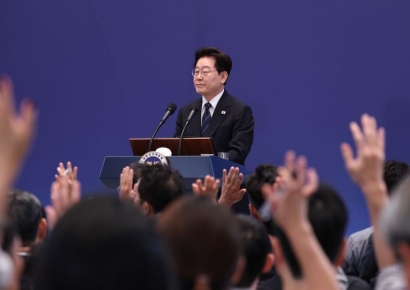 President Lee on Leveraged ETF Criticism: "No One Can Predict Investment Profits"
- When Asked "Should Jeonse Disappear?"... President Lee Says, "I Said It Will Eventually Disappear"
- Won-Dollar Exchange Rate Soars 46.1 Won in 6 Trading Days... Is the 1,400-Won Mark on the Horizon Again?
- "If You Become a Teacher, You Don't Have to Repay Student Loans"... Japan Pulls Out 'Repayment Exemption' After 30 Years
- "Culture Shock After Experiencing Motels": North Korean Defector Women Reveal the Reality of Sexual Culture in the North
Myeongho Kim, Executive Director of the Compliance Management Office at KAI, stated, "The purpose of ISO certification is not the certificate itself but to ensure that employees make decisions based on regulations and principles in their actual decision-making process," adding, "We consider ethics, compliance, and CP not as separate tasks from ESG, but as core foundations of sustainable management, and we will embed risk management, training, audits, and improvement into daily work."
© The Asia Business Daily. All rights reserved. Unauthorized AI training and use prohibited.