"Replacing Books in Their Backpacks"... 17-Year-Old Cheerleader Dies as US Schools Ban 'This Drink'
One in Five High School Students Drink Daily
School Nurse Visits Increase, Leading to Widespread Campus Bans
As health issues related to excessive consumption of high-caffeine beverages among teenagers have come to the forefront, schools in the United States are moving to ban energy drinks on campus.
According to the Wall Street Journal (WSJ) on September 15 (local time), the Lampasas Independent School District in Texas designated energy drinks and caffeine pouches as items banned from being brought to school starting this fall.

According to a survey on adolescent drug use by the University of Michigan, last year about 1 in 5 10th and 12th graders reported drinking energy drinks daily, marking the highest level on record. Paul Weinheimer, principal of Lampasas High School, noted that before the ban, it was common for students to carry energy drinks in their backpacks instead of books.
Students say they turn to energy drinks to endure their demanding schedules. Braden Crook, a 17-year-old football player at Lampasas High School, said that energy drinks help him after returning home late from away games and having to attend school the next morning.
However, problems related to high-caffeine beverages are spreading. In one Texas school district, the number of visits to the health office increased by 1,000 compared to the previous year as of last May. This was due to the rise in panic attacks and heart palpitations, which are symptoms of caffeine overconsumption. Popular products such as Celsius, Ghost, and Alani Nu contain around 200 mg of caffeine per can, approximately twice the amount found in a standard cup of coffee.
The American Academy of Pediatrics warned that energy drinks should not be included in the diets of children and adolescents. The organization cited concerns that high-caffeine beverages can disrupt sleep, increase blood pressure, and raise the risk of cardiac arrest.
At the end of last year, a 17-year-old high school cheerleader in southern Texas died from an enlarged heart. The family filed a lawsuit against the distributor of Alani Nu, claiming a link between energy drink consumption and her death. They argued that the company marketed to minors and did not provide adequate warnings about caffeine content.
In June, Texas Attorney General Ken Paxton launched an investigation into Celsius and Alani Nu manufacturers over allegations of marketing to children and adolescents. The companies deny these claims. Under U.S. federal law, there are no age restrictions on purchasing or marketing high-caffeine beverages. In Connecticut, a bill to restrict the sale of energy drinks to those under 16 failed last year.
Jennifer Temple, a caffeine researcher at the University at Buffalo, explained that healthy children who occasionally consume caffeine generally experience only mild and temporary effects, such as a brief rise in blood pressure or tremors. However, she noted that for those with heart conditions, the consequences can be fatal.
Since the ban, energy drink cans have mostly disappeared from the hallways of Lampasas schools. However, some students are evading enforcement by transferring the beverages into tumblers.
Hot Picks Today
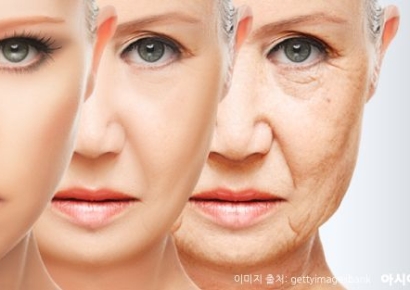 "Inside, It's a Shock... A Daughter Born in the 1990s Ages Faster Than Her Mother Born in 1965"
- "Changing Diapers Where You Eat..." The In-Flight Table Flight Attendants Absolutely Avoid
- "Salty and Perfect for Beer, But Shocking"...The Unexpected Snack That Can Raise Cancer Risk Without You Knowing
- "Is It Really a Healthy Oil?"... The Surprising Risks of Frying Eggs with Coconut Oil
- 60-Year-Old Gwangju Legacy Hits Global Jackpot: "Young Adults Go Wild for Grandma’s Injeolmi"
Meanwhile, with concerns over energy drinks mounting, sales restrictions are also under consideration in the United Kingdom. Beginning in April next year, the UK government will prohibit the sale of high-caffeine energy drinks to those under 16 in England. The ban applies to products containing more than 150 mg of caffeine per liter and, pending parliamentary approval, will cover retail stores, restaurants, cafes, vending machines, and online sales. Coffee and tea are excluded from the restrictions.
© The Asia Business Daily. All rights reserved. Unauthorized AI training and use prohibited.


![From 17-Year-Old Princess to 54-Year-Old Queen: Why Royal Women Joined the Military [World Photo]](https://cwcontent.asiae.co.kr/asiaresize/307/2026091710422132223_1789609340.png)