"As AI Produces More Copies, the Value of Originals Rises"... Song Gilyoung on the 'Diligent Humanity'
‘Forecast for the Times’: Fourth Keyword Connecting ‘Nuclear Individuals’, ‘Society of Being Called by Name’, and ‘Lightweight Civilization’
"Leave Homogeneous Work to AI, and Humans Should Embrace Heterogeneity" ... Emphasizing Expertise, Discernment, and Responsibility
"In the Age of AI, Those Who Spend Time on Meaningful Work—Not Unnecessary Toil—Hold the Advantage"

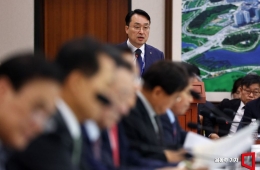
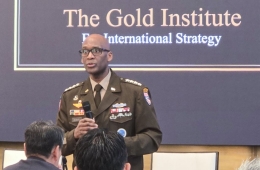
Song Kilyoung, the author, is explaining about his book at the press conference for the release of his new book "Forecast of the Era: The Time of the Laboring Humanity" held on the 16th at Pilwon, Jongno-gu, Seoul. Photo by Yonhap News
View original imageOn the morning of September 16, at Pilwon in Center Point Gwanghwamun, Jongno-gu, Seoul, Song Gilyoung stood before reporters holding his new book "Forecast for the Times: The Era of the Diligent Humanity," and unexpectedly found the key to human competitiveness in the age of artificial intelligence (AI) in the old word "diligence." In an era where a single click produces plausible sentences, images, and even music, Song explained that as technology relieves humans of mundane work, paradoxically, results that embody a person's dedicated time and expertise become more valuable.
The word Song has presented this year as his "forecast for the times" is "diligent humanity." He does not mean people who unconditionally work longer or endure more hardships. Song explains that diligent humanity refers to people who delegate unnecessary toil to technology, but devote time and energy and take responsibility for the outcome in endeavors they deem meaningful. While his previous works focused on "nuclear individuals" who are independent from organizations, "the society of being called by name," and the emergence of "lightweight civilization" where technology reduces the scale of organizations and production, this new book grapples with the lingering question: "So what, then, should humans do?"
Song likened workers of the post-industrial era to "copied humans." In an age where work was divided into fine steps and manuals, anyone could deliver similar results regardless of who was assigned, making one's job and organization more important than one's own name. Now, AI produces these "copies" much faster and more cheaply. Song concludes that it no longer makes sense for humans to try to compete with AI in speed and efficiency on the same playing field. On the other side, he points to "original humans"—those who possess judgments, tastes, and skills, borne of experience, that cannot be easily replicated.
At the conference, Song summarized this point by saying, "Robots handle the homogeneous, but the more humans deviate from the standard, the more valuable they become." Comparing mass-produced ice cream and labor-intensive gelato, or standardized food and fine dining, he explained that consumers pay not only for the result but for the time and craftsmanship invested in it. He added, "We honor those who toil, master skills, and pour energy and passion into their work much more."

Song Gil-young, the author, is explaining about his book at a press conference for the publication of his new book "Forecast of the Times: The Time of Struggling Humanity" held on the 16th at Pilwon, Jongno-gu, Seoul. Photo by Yonhap News.
View original imageHere, "diligence" is not a glorification of hardship; nor is it a call for people to cling to work that AI can easily do. On the contrary, the emphasis is on what to do with the time freed up after passing repetitive and surrogate tasks to technology. The book traces this choice through keywords such as "click versus hand-sewn," "copied humans and original humans," "diligent organizations," and "expertise and discernment." The logic is that even outcomes that seem easy for anyone to produce at first, become something "only that person can make" after years of sincere effort and repetition. The book also asserts that the source of competitiveness in the age of AI is not speed, but accumulation.
So how can working people become "originals"? Song does not insist on bold ventures or quitting one's job as first steps. Rather, he says the priority is to explore what truly interests you, what time and social resources are needed to achieve in that field, and to deepen your expertise. Instead of hiding behind an organization’s name, you should be able to put your own name on the results of your independent judgment and work. He explains, "If you take on a project wholly by yourself, publish it in your own name without outsourcing or delegation, and if the results speak for themselves, then all the honor will indeed come to you."
This is also Song’s answer to anxiety in the age of AI. Rather than trying to outdo machines in every area, invest your diligence and time in domains that are difficult to copy. Song asserts that "the uncomfortable truth that time cannot be skipped" becomes a powerful weapon for diligent humanity. The more rapid generation and infinite replication become everyday realities, the more simply investing time itself becomes a source of rarity and value.
Beginning with "The Era of the Nuclear Individual" in 2023, Song’s "forecasts for the times" have continued through "the society of being called by name" and "the birth of lightweight civilization," culminating in this latest work. While the previous three books anticipated changes in technology and organizations, the fourth asks how individuals should respond to such changes.
Hot Picks Today
 "If You Don't Apply, My KRW 1.7 Million Will Be Gone"... Unclaimed National Pension Refunds Vanish After 'This Deadline'
- "King crab is 3,000 won per 500 grams; just eating it makes the trip worthwhile"... Chinese flock to North Korea on 'fake business trips'
- "What Was I Thinking..." Gen Z Regrets Habitual Delivery Orders After Seeing the Bill, Falls Into "Delivery Guilt"
- Lee Juwan, Who Forecast Samsung at 70,000 Won and SK hynix at 200,000 Won, Says They're "Still Overvalued"; Others Counter: "Fundamentals Are Solid, Correction Is Excessive"
- "When I get Home from Work, This Is All I Do, and It's Making Me Stupid"... Short-Form Craze Sparks 'Electronic Drug' Debate in China
Song refers to this book as a "long-term forecast." Rather than prescribing secret methods to resist the tide of change, he suggests people reflect each day on how they spend their time and to which outcomes they are willing to attach their own names.
© The Asia Business Daily. All rights reserved. Unauthorized AI training and use prohibited.


!["Please Take Them Off!" They Made It All the Way to the Bed... Then "80% of Fecal Bacteria" Struck [Deep Scroll]](https://cwcontent.asiae.co.kr/asiaresize/307/2026101610053063338_1792112730.png)