Flu Outbreak Starts Early... Vaccinations for Children and Seniors Moved Up
Children's Vaccinations to Begin on September 21
Vaccinations for Seniors 75 and Older to Start on October 6
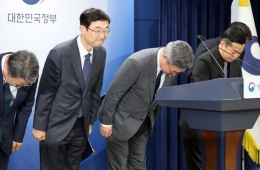
On September 16, the Korea Disease Control and Prevention Agency (KDCA) announced that it will move up the start date for the national influenza vaccination program for children and seniors in response to an earlier-than-usual flu outbreak this year.
Influenza is showing relatively high and rapidly increasing rates among school-aged children and infants, and the proportion of hospitalizations is highest among those aged 65 and older, accounting for 60.0% of cases.
Accordingly, the KDCA has moved up the schedule for children who require only one dose by one week from September 28 to September 21. Regardless of the number of doses, all children from 6 months to 14 years of age will be eligible for vaccination starting September 21.

For seniors, the vaccination schedule will begin earlier by 3 to 6 days: those aged 75 and older will start on October 6, those aged 70 to 74 on October 12, and those aged 65 to 69 on October 15. High-risk groups, such as people with weakened immune systems, can get vaccinated in consultation with their doctors starting October 6, regardless of their age group schedule.
Nursing hospitals and care facilities, where the elderly reside in large numbers and group infections are a concern, will begin vaccinations as soon as the vaccine supply becomes available.
To ensure the smooth operation of the 2026-2027 national immunization program, the KDCA has secured approximately 12.33 million doses of influenza vaccine. Vaccines will be supplied to medical institutions in phases to carry out the national program according to the adjusted schedule without disruption.
However, due to delays in the supply of standard vaccine ingredients, domestic production and shipment schedules have also been postponed, making it challenging to bring forward the vaccination timeline any further.
This season, all components of the influenza vaccine for the Northern Hemisphere, as recommended by the World Health Organization (WHO), have been changed from the previous season. As a result, the total number of doses produced and imported domestically has decreased by approximately 4 million compared to the previous year. The KDCA has secured an additional 370,000 doses, which will be allocated for private vaccinations, but the private sector vaccine supply is not as ample as in previous years.
Furthermore, the KDCA explained that the WHO supplied the B-type component standard for vaccine quality testing about a month later than last season, which also affected domestic production and supply schedules.
Meanwhile, the national influenza vaccination program is available at nearby designated medical institutions and public health centers, regardless of one's registered address. Nationwide, there are approximately 23,000 designated medical institutions, and individuals can check the location of the nearest one through their local public health center or through the Vaccination Helper website.
Hot Picks Today
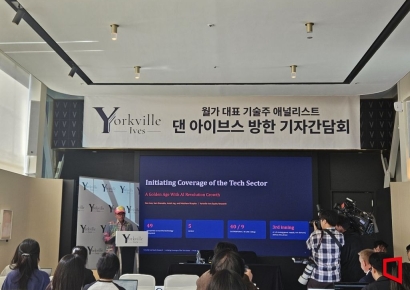 "Even New York Taxi Drivers Are Talking About the KOSPI; South Korean Market to Top 9,000 Again Within a Year"... 'Wall Street's Stock-Picking Ace' Names His Picks
- “Made 2 Billion Won in One Year in Prison,” PPP Lawmaker Retorts: “If You’re Jealous, Go There Yourself”
- "There's No Profit in Selling It"... Gimbap Disappearing from Menus
- “Washing Dishes and Folding Clothes 200 Times a Day”... China’s “Robot Trainers” Earn Up to 1.2 Million Won a Month
- "Shall We Grab a Drink?" KRW 30,000 a Round... Young Adults: "Prices Make My Hands Shake; I Can't Drink Out"
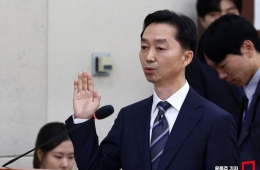
Im Seung-kwan, Commissioner of the KDCA, stated, "We will closely monitor vaccine supply conditions and trends in vaccinations and work closely with relevant agencies and the medical community to ensure there are no disruptions to the immunization program."
© The Asia Business Daily. All rights reserved. Unauthorized AI training and use prohibited.