Seoul City Bus Labor and Management in Final Talks... Will Buses Stop Running on the 16th?
Labor and Management to Hold Labor Commission Arbitration on the 15th
Multiple Negotiations Fail... Union Files for Labor Dispute Mediation
Ordinary Wage and Wage Increase Issues Remain Unresolved
Mayor Oh Sehoon Urges: "Do Not Cause Anxiety for Citizens"
The labor and management of Seoul city buses are entering last-minute negotiations over the application of ordinary wages and wage increases, just one day before the scheduled strike date. If an agreement cannot be reached at the arbitration session held on September 15, bus operations in Seoul are likely to be suspended from the first departures on September 16.
The Seoul Regional Labor Relations Commission is scheduled to hold a second arbitration meeting at 2:00 p.m. on this day regarding the labor dispute filed by the Seoul City Bus Labor Union under the Korea Automobile and Transport Workers' Federation. Representatives of both the bus union and the Seoul City Bus Transportation Business Association, which comprises city bus transport companies, will attend the meeting.

The scene at the Seoul Station bus stop during the Seoul city bus strike last January. Photo by The Asia Business Daily
View original imageThe union has set the negotiation deadline for the same day, announcing that it will go on strike from the first departures on September 16 if talks break down. Since March, labor and management have held a total of nine rounds of group negotiations for the 2026 collective agreement, but failed to reach a consensus. Consequently, at the end of last month, the union requested labor dispute mediation.
The key issue is the ordinary wage problem, which remained unresolved during the January strike. Although labor and management reached an agreement on wage increases after the union carried out the longest strike in history for two days, January 13-14, the issue of restructuring the wage system was deferred to further discussion after the result of Dong-A Transportation's ordinary wage lawsuit.
However, differences arose in the interpretation of the Supreme Court’s ruling. In April, the Supreme Court upheld a lower court’s decision in a lawsuit filed by Dong-A Transportation employees against the company, which included regular bonuses in the calculation of ordinary wages and set the standard working hours at 176 hours per month. However, the Supreme Court remanded other issues for retrial.
The union insists that since the Supreme Court upheld the 176-hour-per-month standard, the same should apply to Seoul city buses. They also demand back payment for wages that have not been paid under this standard. In contrast, management argues that since some issues were remanded, the 176-hour standard is not final, and maintains that the calculation should be based on either 209 or 230 hours per month. Management has proposed a compromise: to first reform the wage system based on 209 hours per month, including weekly holiday hours, and pay any difference retroactively if future litigation finally confirms the 176-hour standard. Lawsuits of similar intent filed by unions at companies other than Dong-A Transportation are still pending in the first trial.
The calculation method of each side also differs. Management claims that if all union demands are accepted, the annual salary of a ninth-level bus driver with 22 years of service or more would reach 85.09 million won, and the city would bear an additional annual burden of around 500 billion won. In response, the union asserts that the actual total annual salary for a ninth-level driver with 22 years of service was 55.54 million won, and management’s cost projections are inflated by including expenditures of a different nature.
To complicate matters further, the current conflict also includes the issue of scholarship and welfare point payments for those who did not participate in the January strike. Earlier this month, the union sent an official notice to all branches, stating that union members who did not join the January strike would be excluded from eligibility for scholarships and year-end welfare points. Some drivers who did not participate in the strike filed complaints with the Seoul Metropolitan Government, but the union has pushed back, saying this is not an issue the city should intervene in.
The most serious concern is the inconvenience to citizens. During the January strike, most of the approximately 7,000 city buses in Seoul participated in the walkout, causing the operation rate to drop to as low as 6.8 percent. Citizens experienced severe disruptions to their commutes, and the Seoul Metropolitan Government activated emergency transport measures.
Once again, the Seoul Metropolitan Government plans to mobilize all available measures in preparation for a potential strike. While 700 chartered buses were operated as free shuttle buses during the January strike, the city plans to expand the number to up to 1,500 this time. About 200 of these will be deployed on major arterial roads to assist with travel between districts. Should the strike drag on, the city intends to further expand the deployment of shuttle buses on mainline routes.
In addition, the 25 municipal districts will operate up to 1,300 free shuttle buses connecting major locations and residential areas to subway stations. Seoul will also deploy 200 additional shuttle buses across 10 routes on major thoroughfares such as Gangnam-daero, Tongil-ro, and Dobong-ro, to assist residents of transportation-poor areas and help ensure smooth commuting.
Hot Picks Today
 "Two Spend 500,000 Won in a Flash, Yet Wait Two Hours?" ... 'Dreamland' Shunned by Kids and Foreign Tourists
- The Era of Getting 200 Million Won After 30 Years Is Over... A Japanese Bank's "Perpetual Department Head" Who Just Clocked In Cries Out
- Spain Hit by Its Worst Tragedy... Lee Kangin, Moreno and Real Madrid Join Soccer World in Mourning
- They Said, “Make It Your Home for Life” - Then Suddenly Kicked 200 Passengers Off... What Happened to the Around-the-World Cruise?
- "130 Rice Bowls Sold Out in a Day"... 'Unfiltered Face' Adds 8 Million Won to Night Market Sales: China's Bungeunwoo
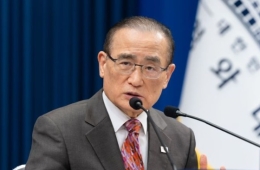
Seoul Mayor Oh Se-hoon criticized, "The union should not threaten citizens by wielding a full-scale strike, pushing them into anxiety," and added, "It is completely abnormal for citizens to worry and feel anxious about commuting twice in a single year."
© The Asia Business Daily. All rights reserved. Unauthorized AI training and use prohibited.