[Seoul, Now] Collecting Consent Up Front, Subdividing Shares Behind the Scenes
The Villa Market Becomes a Haven for Speculators
Surge in Construction of One-Room Multi-Dwelling Homes
Not the Time for Boasting About More Permits and Groundbreakings
Seoul City and District Offices Must Scrutinize the Details and Take Proactive Action

Neighborhoods undergoing redevelopment show two faces. In public, they collect consent forms from residents, while behind the scenes, they rush to purchase land and subdivide it for profit. Although it appears as if they support redevelopment, what these brokers are really after is not the success of the project, but the profits generated by the process of subdivision and resale. These brokers purchase single-family or multifamily homes and small buildings, develop them into one-room, multi-dwelling villas, and sell them. On small land plots, they build ultra-small neighborhood commercial facilities, often dividing them into dozens of units for sale.
The methods continue to grow more sophisticated. As apartment prices soared and the redevelopment boom intensified, speculative groups resembling land planning companies began collaborating with certain maintenance companies. When a maintenance company sets the stage by holding promotional briefing sessions for residents, brokers use these presentations to sell subdivided villas and commercial units. The formal nature of the “briefing session” lends an air of credibility. Bloggers and YouTubers join in, claiming to share redevelopment information or recommend promising areas, helping stoke the frenzy. They make statements such as, “If you purchase a villa, you gain the right to be allocated an apartment” or “If you buy a commercial unit, it won’t be counted in your housing tally, and when redevelopment happens, you’ll receive a residential officetel.”
This practice of subdivision hinders redevelopment itself. When a single parcel is split into many different units, the number of association members who are eligible to receive allotments increases. The total income from sales remains the same, but with more people sharing it, individual assessments rise and project profitability declines. In some cases, the project fails entirely and the neighborhood is left in slum conditions. Even as the Seoul Metropolitan Government eases regulations to improve project profitability, much of that newly created development profit gets siphoned off into the pockets of brokers and speculative forces before construction even begins.
We examined an area near Hannam New Town in Yongsan District. Of the 63 buildings in one zone, 8 have either been newly built or are under construction within the past year. Most single-family and multifamily homes have been converted into one-room, multi-dwelling houses. Originally, the eight buildings belonged to eight individual owners. Once all of them are completed, the number of owners could rise to nearly 100. Resident briefing sessions were held concurrently with the construction of numerous multi-dwelling units, and banners promoting redevelopment have appeared. In a different area, a 50-pyeong (about 165 square meters) parcel of land was subdivided into 30 ownership shares as an ultra-small commercial property.
Their petitions filed with the city and district offices are meticulous. While Seoul city and the district offices perceive the disputes as simply turf wars among redevelopment groups, the subdivision process continues unabated. This is the reality unfolding across many parts of Seoul today. One has to wonder if the local governments are even accurately monitoring the situation.
Meanwhile, the Seoul Metropolitan Government is busy touting its achievements. On the 7th, the government announced, “From January to July, permits for non-apartment housing reached 5,154 units, a 64.4% increase from last year, and groundbreaking began on 4,512 units, an 80.9% increase,” and praised this as “expanding supply.” But exactly what kind of homes are being added to the market? They seem to be turning a blind eye to the crux of the issue.
Hot Picks Today
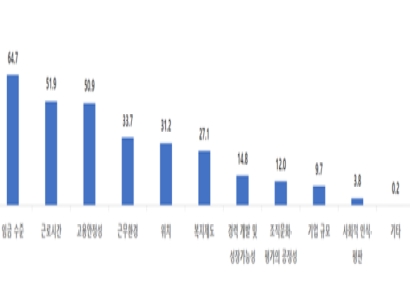 "Please Pay Me at Least 3 Million Won a Month": More Than Half of Young People Today Prioritize "Working Conditions" Over Company Size
- Selling Like Crazy Every Year... 30-Year-Old Hetbahn Takes on a New Challenge: Tastes Better Than "Mom's Home Cooking" [On-Site Report]
- "Is This Really Possible?" The World Is Watching... Could My Car Become a "Mobile ESS"? [Energy Odyssey] 15
- "Hey, Lady, Teach Your Kids to Behave!" ... 300,000 Won in Cash and a Bodily Injury Claim Demanded Over Child's Door Ding
- "Don't Trust This Woman": Documentary on 'Investment Scammer' Earns KRW 22 Billion in One Week
What is needed is more nuanced and proactive administration. It is not enough to simply say, “We can do nothing before a district is designated as a maintenance area.” Merely counting the number of permits without exercising real authority falls short of true accountability. District governments are no different. They must closely review applications for construction permits, groundbreakings, land parceling, and building conversion rights to determine where restrictions might apply. They need to carefully examine and actually use the authority they already hold.
© The Asia Business Daily. All rights reserved. Unauthorized AI training and use prohibited.