"Due to Dormitory Shortages"... Why Chinese Universities Are Converting Unsold Apartments
Apartment Conversions Address Dormitory Shortage
Similar in Appearance and Surroundings to Regular Apartments
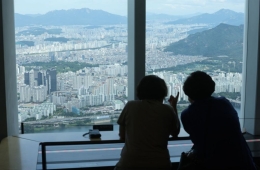
Recently, a growing number of universities in China have been purchasing unsold real estate properties and converting them into student dormitories.
According to Guangming Daily on September 11, 2026, several universities in China have recently purchased commercial real estate and repurposed them as dormitories, thus simultaneously addressing both the student housing shortage and the local real estate slump.

With the surge in student numbers over the past few years, campus spaces at several leading universities have reached full capacity, resulting in a severe shortage of dormitories. At some universities, such phenomena as “online dormitory reservation competition” and “living in 10-person dorm rooms” have emerged. However, because building new dormitories requires a minimum of two to three years from planning to completion, universities have shifted their focus to unsold apartment buildings in the vicinity of their campuses.
In practice, universities such as Hubei University, Shenzhen University, and China University of Mining and Technology have adopted this approach. Dormitories converted from apartments resemble regular apartment buildings both in appearance and in their complex environments. Typically, each unit contains four separate rooms, allowing students to live with roommates.
Xie Ziying, a college student currently living in an apartment-style dormitory, said, “Convenient access to sports facilities within the complex and the ability to have food or parcels delivered right to the door is very convenient. While the living environment has improved, the annual dormitory fee remains about 1,320 yuan (approximately 260,000 won), which is similar to conventional on-campus dormitories, so satisfaction is high.” For new doctoral students, single rooms are set at 1,500 yuan annually and double rooms at 1,300 yuan, making them highly affordable.

In this regard, Wu Chuxiang, a researcher at the National Academy of Development and Strategy at Renmin University of China, analyzed that several key conditions must be met for universities to purchase existing real estate and use it as dormitories. Despite the acute shortage of dormitories, there must be no developable land available on or off campus, and suitable buildings with convenient transportation and the potential for centralized management must exist near the campus. Additionally, the purchase costs must be significantly lower than the costs of new construction, and there must be clear policy and financial support in place.
Hot Picks Today
![[Exclusive] "We Warned You Four Times"... Another Defect Found in Bathroom at LH Happy Housing Site](https://cwcontent.asiae.co.kr/asiaresize/93/2023073107570824314_1690757828.png) [Exclusive] "We Warned You Four Times"... Another Defect Found in Bathroom at LH Happy Housing Site
[Exclusive] "We Warned You Four Times"... Another Defect Found in Bathroom at LH Happy Housing Site
- "I Thought It Was Just for Grandmothers"... The Unexpected Appeal Winning Over China's Young People [China.zip]
- "Busan Is in Big Trouble"... One Cockroach Can Produce 350 Nymphs; Establishment Confirmed, Causing Alarm
- "Older people won't be able to tell"... Gang targets convenience stores with counterfeit 50,000-won notes printed on A4 paper
- "I Hate Dog Meat and Skate, Love Pizza" ... "Let's Meet" Frenzy Over Beautiful 41-Year-Old Nurse, But There's a Twist
The media outlet also emphasized that universities need to thoroughly prepare dormitory operation and safety management plans tailored to local circumstances in advance. It further elaborated that strengthening cooperation between universities and local governments, as well as improving student management systems specialized for external dormitory complexes, are practical measures that are required.
© The Asia Business Daily. All rights reserved. Unauthorized AI training and use prohibited.