Prosecutors Expand 'Petrochemical Price-Fixing Allegations' Investigation to Senior Executives... Key Figures from LG Chem, OCI, and PKC Summoned
Alleged Price-Fixing of Eight Petrochemical Products for Several Years
Largest Cartel Investigation Ever Conducted by Prosecutors
Prosecutors investigating allegations of price-fixing in petrochemical products—an issue alleged to have taken advantage of unstable raw material supplies caused by the Middle East war—have summoned key executives from major companies including LG Chem, OCI, and PKC. Following last month's raids of seven petrochemical firms, the investigation is now expanding to encompass top management.

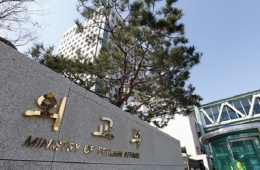
Seoul Central District Prosecutors' Office, Seocho-gu, Seoul. Photo by Jinhyung Kang
View original imageAccording to legal sources on September 10, the Fair Trade Investigation Division at the Seoul Central District Prosecutors' Office (headed by Chief Prosecutor Na Heeseok) summoned Jang Youngsoo, former CEO of PKC, and Executive Vice President A, who heads the PVC and plasticizer division at LG Chem, for questioning on suspicion of violating the Fair Trade Act. Yu-Shin Kim, Vice Chairman of OCI, is also being questioned as a suspect. The investigation into the CEO of Hanwha Solutions is reportedly already complete.
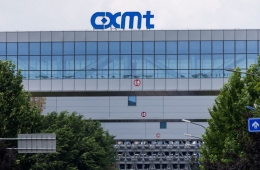
Last month, prosecutors raided seven companies—LG Chem, Hanwha Solutions, Aekyung Chemical, OCI, Lotte Fine Chemical, PKC, and UNID—as well as more than 80 individuals associated with them, securing relevant materials.
These companies are suspected of having colluded for several years to agree in advance on the prices of eight petrochemical products—polyvinyl chloride (PVC), plasticizer, caustic soda, hydrochloric acid, chlorine, hypochlorite, TDI, and ECH—amid naphtha supply instability stemming from the Middle East war.
PVC is a synthetic plastic made from naphtha and other materials and is widely used in building materials, pipes, and wire insulation. Plasticizer is a chemical additive that makes PVC soft and flexible. Increases in petrochemical product prices can lead to higher production costs in industries such as construction and manufacturing.
Prosecutors view this case as a price-disturbing act that exploits instability in raw material supply. The scale of the alleged collusion is reportedly the largest in the 78-year history of cartel investigations by prosecutors. The previous record was a 14 trillion won fuel price-fixing case, in which SK Energy, GS Caltex, HD Hyundai Oilbank, and S-Oil were indicted in July.
The Fair Trade Commission also conducted on-site investigations at the petrochemical companies in May, but the scope of their probe reportedly covered only three products—PVC, plasticizer, and caustic soda. Now that prosecutors have initiated full-scale questioning of top executives at major firms, the investigation is expected to intensify its focus on determining whether these activities were reported to or involved upper management.
Hot Picks Today
 Despite "Insufficient Balance" Notices, They Board Anyway... Reports of Foreign Fare Evasion Mounting
- A 'Premium Dessert' from Korea... 'Orion Custard' Hits Big in China and Vietnam as Production Lines Expand
- "I Hide in the Classroom Alone to Eat Steamed Buns. Please Help Me"... Tearful Plea Draws 600 Million Views, But It Turns Out...
- [2026 Parliamentary Audit] Lee Hyoungil: "National Pension Service Should Be Evaluated by Long-Term Returns, Not Short-Term Market Fluctuations" (Comprehensive)
- [Exclusive] "We Came for a KRW 140,000 Trip": Following Chinese Tourists in Korea Uncovers a 'Suspicious' Tour
The Fair Trade Investigation Division at the Seoul Central District Prosecutors' Office has been continuously investigating cartel cases affecting essential consumer prices this year, including those involving flour, sugar, power and starch sugar, and the refining industry.
© The Asia Business Daily. All rights reserved. Unauthorized AI training and use prohibited.