Oh Se-hoon Launches 86 Trillion Won 'G3 Seoul Plan'... Expanding Green Spaces, Housing, and Creating a '24-Hour Seoul'
Top Strategic Vision of the 9th Elected City Government… 20 Strategic Goals Finalized
Introduction of the 'Total Green Area Management System'… Enhanced Citizen Health Management
Expanded Housing Supply to Ensure Stability, Including 310,000 Units Through Accelerated Planning
Plan to Build Four Regional City Centers for Balanced Urban Development
Oh Se-hoon, Mayor of Seoul, has announced a total investment of 86 trillion won into the top strategic initiative of the 9th popularly elected Seoul City Government, the 'G3 Seoul Plan,' by 2030. The city will add 1 million square meters of green space within the urban area and supply 130,000 public housing units to realize a stable housing city. To build a '24-hour vibrant economic city,' various night-time and stay-type content will be incorporated throughout the urban center.
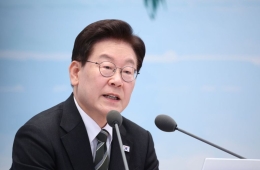
On the morning of September 10, Mayor Oh unveiled the G3 Seoul Plan's detailed strategies at Seoul City Hall.
The G3 Seoul Plan is the comprehensive blueprint for the 9th Seoul Metropolitan Government, drafted through the public-private partnership platform, the 'G3 Seoul Planning Committee,' to propel Seoul into the global top three cities. The plan goes beyond simply raising city rankings, focusing on bridging global competitiveness with improved everyday life for citizens in areas like jobs, housing, health, and safety. One hundred private sector experts from academia, media, and civil society held 108 meetings and 16 field visits to identify future strategies and tasks, which were then refined by each of Seoul's bureaus and departments into concrete, actionable project plans.
The G3 Seoul Plan's detailed strategies presented by Mayor Oh on this day include five future visions: a Healthy and Safe City, a Co-Growth City, a Housing Stability City, an Opportunity and Vibrancy City, and an Urban Innovation City. These embody 20 strategic goals and 100 key tasks. Mayor Oh pledged to ensure that citizens can care for their health close to home, feel safe even at night, lower the barriers to learning and daily life, and receive essential housing in a timely manner.

Everyone Can Manage Their Health at Their Doorstep... Building a 24-Hour Safety Net for Vulnerable Citizens
To expand walkable green spaces within daily life zones, a 'Total Green Area Management System' will be introduced. This 'Ecological Green Urban Center' strategy returns reclaimed space from urban redevelopment to parks and green areas. By 2030, the city will secure an additional 1 million square meters of parks and green space, and drive the creation of major green areas such as Yongsan Park (3 million square meters) and Songhyeon Cultural Park (26,000 square meters).
For the Healthy and Safe City vision, the city plans to implement the '10-Minute Fitness Zone at Your Doorstep,' to enable all citizens to start exercising within 10 minutes from home. The number of Seoul Fitness Center locations will be increased from the current 20 to 100, and the 'Mobile Seoul Fitness Center' will operate year-round.
The 'Mind Fit 36.5' program will be launched to assess citizens' mental health using artificial intelligence (AI), providing digital therapy and connections to professional services. It offers an emergency SOS function that links with the police and other agencies if warning signs, such as suicide risk, are detected. This connects to the '24-Hour Safety Net,' which ensures citizens’ peace of mind regardless of time or place. The city will also separate pedestrian and vehicle lanes in frequent accident school zones, and will expand neighborhood safety infrastructure for vulnerable groups, such as the Seoul Safety Bell system, smart CCTVs, and improved alleyway lighting.
By 2030, a cumulative total of 400,000 electric vehicles will be distributed, and the charging infrastructure will be expanded to accommodate 550,000 vehicles. The Eco-Mileage program, which engages more than 2.5 million participants, will be revamped as a 'Climate Action Platform' that covers energy savings, resource sharing, and power-saving during peak times.
Additional measures will be implemented to reduce loneliness and gaps in education and care among Seoul citizens. The 'Seoul Without Loneliness 2.0' initiative will support citizens' recovery from loneliness and help build social networks. The 'Seoul Mind Convenience Store' program will be rolled out to all districts, with specialized programs by age group.

Diversifying Public Housing Supply and Improving Redevelopment Project Management
Establishing a residential safety net that links redevelopment project promotion, public housing supply, housing ladders for all life cycles, and lease fraud prevention is also a core aspect of the G3 Seoul Plan.
Through 'Accelerated Integrated Planning 2.0,' the city aims to start construction on 310,000 housing units by 2031. For 85,000 units in key strategic redevelopment areas that can break ground by 2028, a standard processing timeframe system will be implemented, and regular progress meetings chaired by the Second Vice Mayor for Administrative Affairs will address any stage-by-stage delays. For sites with over 75% consent for establishing promotion committees, the 'Redevelopment Project High-Pass' will be adopted to shorten the time needed for forming associations, and regulatory changes will be pursued to allow simultaneous approvals for both project implementation and project management plans.
The city will systematically manage 146 projects for the ‘Moa Housing’ program, targeting construction of 40,000 units by 2031. Of these, 62 sites and 14,000 units designated for intensive management will break ground by 2028. For delayed areas, a 'Mobile Rapid Resolution Support Team' composed of architectural, legal, accounting, and appraisal experts will be deployed.
The plan has also confirmed the supply of 130,000 public housing units by 2031, including 23,000 newly built public rental units and 70,000 purchase-type rental units. For 'Baro Nae Jip,' a Seoul-style public pre-sale housing program aimed at lowering buyer costs, 6,500 units will be offered under two models: a land lease scheme and an installment plan in which 80% of the balance is paid over 20 years.

Seoul, Fostering Talent... Creating a 24-Hour Vibrant Economic City and Advancing Globally
Support systems for talent development will expand through the Youth AI Ladder and global talent recruitment strategies. In particular, educational, job, and housing policies will be integrated so young people can enhance their AI skills, gain work experience, and grow with their peers from graduation until landing their first job, creating ladders of opportunity.
The city will pursue the 'Special City for Youth Growth' initiative, providing free AI access passes and basic training to 500,000 young people regardless of income, as part of the 'Youth AI Ladder' program. These will be connected with work experience and professional training to support job placement and entrepreneurship.
Creating the '24-hour vibrant economic city' is a central pillar of the G3 Seoul Plan. Recreation and cultural facility operating hours will be extended, with more night-time, stay-type content introduced at sites such as the Han River, Namsan, and Dongdaemun Design Plaza (DDP). The 'Seoul Mulbit Naru' will expand to 40 sites by 2030, and the Seoul-style night market 'Dalbit Yajang' will spread citywide after five pilot runs this year. Night buses and CCTV coverage will be expanded to ensure Seoul's nighttime is both vibrant and safe.
The urban core will be restructured into a polycentric city. In addition to the existing three city centers—Seoul CBD, Yeouido, and Gangnam—four new regional centers will be added: Sangam/Susaek (digital media), Gasan/Guro (IoT), Changdong/Sanggye (digital/bio), and Godeok/Gangil (AI/knowledge industries). Across the city, 350 'Pedestrian Daily Life Zones' will be created to ensure citizens, wherever they live, can access jobs, culture, and daily services on foot.
With the goal of becoming the 'world's top autonomous driving city,' Seoul will expand the number of autonomous buses from 16 to 500 by 2030. The operational hours will be gradually extended, eventually to 24 hours, pending safety validation. Policy and regulatory improvements will be pursued to raise the portion of autonomous city buses step by step.
'Public Transport Reform 2.0' is aimed at reducing transport blind spots. This includes introducing express buses, reorganizing chronically congested or overlapping routes, and connecting breaks in central bus-only lanes. The adoption of Bus Priority Signals (TSP) is also under review. Using the ART (Access to Rapid Transit) index, public transport routes will be launched or adjusted so that citizens can access rapid transit within 10 minutes on foot.
Hot Picks Today
 "300,000 Won Grant" Shelved at Chuseok to Go to All Residents After All... This City Says It Will Pay Before Lunar New Year
- "Didn't Save This Money to Leave to Our Kids?"... Retired Couples Spend $10,000 on a Single Trip
- "Make $10 Million by Flipping It Right After Delivery?"... The Market Drawing the World's Ultra-Rich in ‘This Market’
- Friend Who Went Abroad Goes "Silent"... 617 South Koreans Out of Contact, What's Going On?
- "Stockpile 9 Liters of Bottled Water and Three Days' Worth of Food"... UK on Edge as Nationwide Emergency Preparedness Alert Issued
The push for the G3 Seoul Plan will see a total investment of 86 trillion won by June 2030, including 53.7 trillion won in municipal funds, 9.2 trillion won in national government funds, and 23.2 trillion won from private and other sources. The city plans to finalize action plans for each task by year-end and to closely manage implementation to ensure the strategies deliver tangible results. Mayor Oh stated, "Striving to be a global top three city is not just about climbing international city rankings, but about transforming Seoul’s strengths into a better life for every citizen. Both the power to make Seoul a world-class city and those who will enjoy its benefits ultimately lie with our citizens. We will raise both urban competitiveness and quality of life."

© The Asia Business Daily. All rights reserved. Unauthorized AI training and use prohibited.