Korea Exchange to Launch Stock Market Aftermarket Starting on the 14th
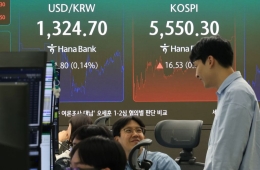
The Korea Exchange will launch an aftermarket on September 14 to enhance liquidity competition with major U.S. exchanges and provide investors with expanded trading opportunities.

According to the exchange on September 9, trading was previously only possible via single-price transactions in 10-minute intervals from 4:00 p.m. to 6:00 p.m. The shift to a continuous trading method means both an extension of trading hours and a change in trading mechanism.
The exchange had initially aimed to introduce both pre-market and aftermarket sessions by the end of June, but the schedule was adjusted to launch only the aftermarket first, reflecting feedback from the industry. In addition, a simulated market was operated for 23 weeks under real market conditions to prepare the system infrastructure.
In the aftermarket, considering market volatility, exchange-traded funds (ETFs) and exchange-traded notes (ETNs) are excluded from trading. Order types are also restricted to limit orders, with market orders not permitted. The same price fluctuation limits as the regular session (±30% from the previous day’s closing price) and volatility interruption mechanisms (VI) will be applied.
While alternative trading system (ATS) aftermarkets typically restrict trading to large-cap stocks, the Korea Exchange will allow all stocks to be traded except for certain stocks that require special market oversight, maximizing convenience and benefits for investors.
Hot Picks Today
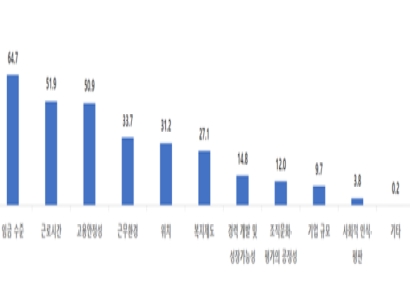 "Please Pay Me at Least 3 Million Won a Month": More Than Half of Young People Today Prioritize "Working Conditions" Over Company Size
- Selling Like Crazy Every Year... 30-Year-Old Hetbahn Takes on a New Challenge: Tastes Better Than "Mom's Home Cooking" [On-Site Report]
- "Is This Really Possible?" The World Is Watching... Could My Car Become a "Mobile ESS"? [Energy Odyssey] 15
- "Hey, Lady, Teach Your Kids to Behave!" ... 300,000 Won in Cash and a Bodily Injury Claim Demanded Over Child's Door Ding
- "Don't Trust This Woman": Documentary on 'Investment Scammer' Earns KRW 22 Billion in One Week
The exchange stated, “To continuously strengthen the competitiveness of Korea’s capital market infrastructure, we will closely monitor the global trend of extending trading hours at overseas exchanges and consider a gradual extension of trading hours going forward.”
© The Asia Business Daily. All rights reserved. Unauthorized AI training and use prohibited.