"Drinking All Night Is a Thing of the Past"... U.S. College Students Enjoy 'Wellness Darty' [Z Gold Around the World]
Wellness Darty: Enjoying Health Together
"You Can Have Fun and Socialize Without Drinking"
Among American college students, a so-called "wellness darty"—where exercise and wellness activities are enjoyed together instead of drinking and partying through the night—is gaining attention as a new cultural phenomenon. While some have criticized it as a "boring culture," positive responses continue to grow, as it offers a natural way to socialize with friends while focusing on health.
Exercise and Ice Baths: Unique Parties Among U.S. College Students

According to USA Today on September 9 (local time), a student fraternity at the University of Florida last month hosted an event that was distinctly different from typical parties. Students gathered in activewear to run together or stretch, and after exercising, they cooled off with fruit and took ice baths—immersing themselves in cold water, which is known to aid recovery after physical activity.
These events have become known among college students as "wellness darty." The term "darty" combines "daytime" and "party," referring to daytime gatherings with friends. Adding elements such as exercise and health management leads to what is now called a "wellness darty."
The event was led by the wellness community 'Peak Pulse Run Club,' based in Florida. Founder Aydan Child, who is also a University of Florida graduate, posted a video of students working out at the university on TikTok. Through his post, he wrote, "There's nothing wrong with adding a bit of wellness to college life." The video went viral, garnering over 2.6 million views.
On this, Child explained, "People are beginning to realize that there are other enjoyable ways to spend time and meet people besides drinking alcohol," and added, "Getting outside and having fun improves your mood, boosts your health, and helps you become a better version of yourself."
Some Say, "Young People Today Are Too Boring"

Students who participated in wellness darty events have responded positively to socializing without alcohol. Riley Meyer, a college student who joined a wellness darty last month, said, "Our generation seems to struggle with socializing, especially when there's no alcohol at parties." She continued, "If there are organized activities, it creates an opportunity to interact with people." In other words, activities like exercising together make it natural to connect, even without alcohol.
However, reactions online have compared wellness darty culture to the drinking-centric events of the past. Some have remarked, "Young people these days are too boring." In response, Meyer emphasized, "People seem to think wellness darty happens every day, but what's important is balance." She made it clear that wellness darty has not completely replaced traditional party culture—many college students still drink and enjoy parties.
Swapping Alcohol for Coffee and Exercise: Wellness Culture Spreads Across the U.S.

The rise of the wellness darty appears to reflect both a decline in drinking among younger generations and growing interest in wellness. According to Eventbrite, an online event and ticket platform, 1 in 5 American adults actively seeks out alcohol-free events. As a result, the number of morning dance party events has increased by 20%, and "coffee clubbing"—gatherings combining coffee and music—has surged by 478%.
This fusion of wellness and socializing is occurring in various places throughout the U.S. In New York, daytime disco events targeting Millennials are becoming popular, while in Toronto and Miami, gatherings that combine coffee and music are also on the rise. USA Today reports, "A significant portion of Gen Zers missed major milestones at school or work during the COVID-19 pandemic, which impacted their social skills. At the same time, Gen Z values health and longevity much more than previous generations."
Hot Picks Today
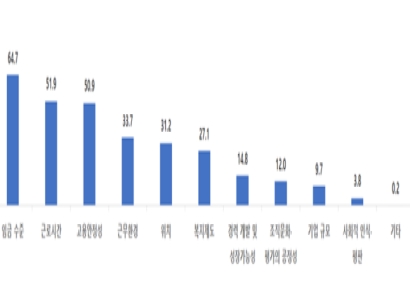 "Please Pay Me at Least 3 Million Won a Month": More Than Half of Young People Today Prioritize "Working Conditions" Over Company Size
- Selling Like Crazy Every Year... 30-Year-Old Hetbahn Takes on a New Challenge: Tastes Better Than "Mom's Home Cooking" [On-Site Report]
- Sleep Is Koreans' 'No. 1' Health Interest, but the 'Twist' Is They Averaged Less Than 7 Hours a Night This Year
- Ran 18 km With 9-Year-Old Tied to Him at the Waist... "Man Banned From Competing for 3 Years"
- Beachgoer Finds 'Plastic' That Turns Out to Be Perfume Ingredient Worth More Than Twice as Much as Gold
Meanwhile, as interest in wellness continues to grow, social culture centered around wellness is projected to expand even further. According to the Global Wellness Institute (GWI), the global wellness economy doubled in size since 2013, reaching $6.8 trillion in 2024. GWI forecasts that the wellness economy will grow at an average annual rate of 7.6% over the next five years, reaching $9.8 trillion by 2029.
© The Asia Business Daily. All rights reserved. Unauthorized AI training and use prohibited.






![[Market ING] KOSPI Seeks Rebound in Superweek Packed with Corporate Earnings and FOMC](https://cwcontent.asiae.co.kr/asiaresize/307/2026102514484873155_1792907327.jpg)