Treasure 'Stone Lantern with Twin Lions at Godal Temple Site' Returns to Yeoju After 67 Years
Yeoju City, Cultural Heritage Administration, and National Museum of Korea to Lead Relocation Efforts
Return Planned After Preparation of Designated Site at Godal Temple Site
The "Stone Lantern with Twin Lions at Godal Temple Site in Yeoju," a cultural treasure that moved across several locations after being displaced during the Japanese colonial period, will return to its hometown after 67 years.

Ssangsaja Stone Lantern of Godalsaji Temple Site in Yeoju. Provided by Yeoju City
View original imageOn September 9, Yeoju City, Gyeonggi Province (Mayor Lee Chungwoo), announced that it will work in cooperation with the Cultural Heritage Administration and the National Museum of Korea to relocate the stone lantern—which has been housed and displayed by the National Museum of Korea—back to its original location at the Godal Temple Site in Yeoju.
The Stone Lantern with Twin Lions is believed to have been crafted in the early Goryeo period, around the 10th century. It is notable for its unique form, with two crouching lions supporting the lantern. Unlike most similar lanterns in Korea, which feature lions depicted standing, this one is represented in a seated posture, demonstrating the creativity and sculptural artistry characteristic of the Goryeo era. In recognition of its historical and artistic value, it was designated a Treasure in 1963.
After being removed from its original site during the Japanese colonial era and subsequent turbulent periods, the stone lantern was kept by local villagers before being relocated to the backyard of the Dongwon Wedding Hall in Jongno-gu, Seoul in 1958. The following year, it was moved to Gyeongbokgung Palace. Since 2003, it has been housed and displayed at the National Museum of Korea.
Yeoju City has held continuous discussions with the Cultural Heritage Administration and the National Museum of Korea in an effort to restore the stone lantern to its original site. Following a review by the Architectural Cultural Heritage Subcommittee of the National Heritage Commission on August 20, the city has been able to move forward with further procedures such as preparing the site for relocation.
Hot Picks Today
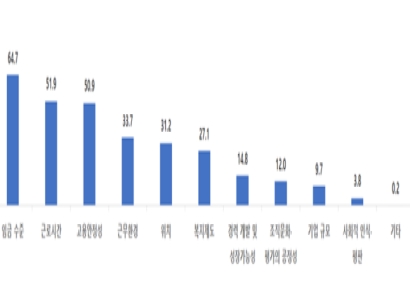 "Please Pay Me at Least 3 Million Won a Month": More Than Half of Young People Today Prioritize "Working Conditions" Over Company Size
- Selling Like Crazy Every Year... 30-Year-Old Hetbahn Takes on a New Challenge: Tastes Better Than "Mom's Home Cooking" [On-Site Report]
- He Left It in the Car and Forgot... "I Nearly Collapsed with Joy": Man Wins $1.48 Million Lottery
- Ran 18 km With 9-Year-Old Tied to Him at the Waist... "Man Banned From Competing for 3 Years"
- Beachgoer Finds 'Plastic' That Turns Out to Be Perfume Ingredient Worth More Than Twice as Much as Gold
The city plans to coordinate with the National Museum of Korea and other related agencies regarding the specific timing of the move as well as transportation and installation methods. In addition, the target site within the Godal Temple Site will be prepared so that the lantern can fully showcase its academic and cultural value within its authentic historical setting.

An official from Yeoju City stated, "It is significant that this invaluable national heritage, once separated from its hometown during Korea’s turbulent history, is returning to its original place," adding, "We will closely cooperate with all related institutions to ensure the safe return of the Stone Lantern with Twin Lions."
© The Asia Business Daily. All rights reserved. Unauthorized AI training and use prohibited.