Chinese Grandmother Who Raised Granddaughter for 15 Years Demands 72 Million Won in 'Caregiving Fees' from Son
Grandparents Sue for 'Caregiving Fees' After Raising Grandchildren in China
Debate Grows Over the Responsibility for Elderly Childcare
A woman in her 60s who cared for her granddaughter in China for 15 years has sparked controversy by demanding over 360,000 yuan (approximately 72 million won) in compensation from her son in the name of child-rearing expenses.
"He did not fulfill his duty as a father"… Chinese Woman in Her 60s Sues Son for Child Support

According to the South China Morning Post (SCMP) on September 8, 2026 (local time), the Songjiang District People’s Court in Shanghai recently released a case from April where Ms. Xu, a woman in her 60s, filed a lawsuit against her son Mr. Liang, demanding 360,000 yuan (about 72 million won) for child support.
After divorcing her husband, Ms. Xu lived with her son. In 2014, her son, Mr. Liang, also got divorced and left behind his then-4-year-old daughter. Following this, Ms. Xu took on most of the responsibility of raising her granddaughter. She covered the costs of her granddaughter’s living expenses, medical bills, and education. In the lawsuit, Ms. Xu argued that her son "lacked a sense of family responsibility" and failed to fulfill his duties as a father.
In response, Mr. Liang countered that while his monthly salary was only 3,000 yuan (about 600,000 won) at the time, he supported his daughter as much as his financial situation allowed. However, tensions escalated as Mr. Liang remarried and left home with his new wife, leaving Ms. Xu to care for her granddaughter alone. After looking after her granddaughter for 15 years, Ms. Xu claimed that she could no longer continue due to financial hardship and demanded compensation from her son.
Raising Grandchildren Leads to Health Problems… Debate Over 'Caregiving Fees' Expands in China

In China, disputes over so-called 'grandparent caregiving fees,' where grandparents request compensation from the parents after caring for grandchildren for extended periods, are on the rise. In another case released by a Beijing court, a grandparent who had supported their granddaughter with living expenses since she was one sued their son and daughter-in-law for 320,000 yuan (about 64 million won) in child support.
There are also cases where the burden of raising grandchildren has led to grandparents' health issues. In August last year, a 59-year-old woman in Hunan Province, southern China, lost 20 kilograms after caring for her grandchild for six months to help her son, and was subsequently diagnosed with an anxiety disorder.
As such cases continue, debate is intensifying in China over whether grandparental childcare should be considered a natural family duty or recognized as a form of care work. While there was previously a strong view that raising grandchildren was an expected sacrifice for the family, the perspective that it should be regarded as labor is now spreading.
Hot Picks Today
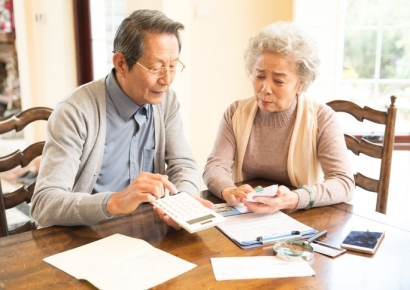 "If You Don't Apply, My KRW 1.7 Million Will Be Gone"... Unclaimed National Pension Refunds Vanish After 'This Deadline'
- "King crab is 3,000 won per 500 grams; just eating it makes the trip worthwhile"... Chinese flock to North Korea on 'fake business trips'
- "When I get Home from Work, This Is All I Do, and It's Making Me Stupid"... Short-Form Craze Sparks 'Electronic Drug' Debate in China
- KAI Conducts Community Service in Malaysia, Builds Trust with Defense Partner
- "What Was I Thinking..." Gen Z Regrets Habitual Delivery Orders After Seeing the Bill, Falls Into "Delivery Guilt"
Legal experts highlight that disputes over 'grandparent caregiving fees' are significant because they clarify the childcare responsibilities of each family member. According to Liu Guier, a lawyer at a law firm in Shanghai, the main responsibility for raising children lies with the parents, and grandparents should only take on caregiving roles as a supplement when the parents are unable to do so.
© The Asia Business Daily. All rights reserved. Unauthorized AI training and use prohibited.

!["Please Take Them Off!" They Made It All the Way to the Bed... Then "80% of Fecal Bacteria" Struck [Deep Scroll]](https://cwcontent.asiae.co.kr/asiaresize/307/2026101610053063338_1792112730.png)