"Even at Night and on Holidays"... Seoul Expands Support for Facilities for People with Severe Disabilities
Yeongnak Ania House in Yongsan Selected as a Pilot Institution
Four Additional Nurses and Six Care Workers to Be Deployed
Multi-Bed Wards to Be Converted to 1-3 Person Rooms for Medical-Friendly Improvements
Yeongnak Ania House, a residential facility for people with severe disabilities located in Yongsan-gu, Seoul, will be converted to a '24-hour medical and care support system.'
On September 8, Seoul City announced that Yeongnak Ania House had been selected as an implementing institution for the Ministry of Health and Welfare's '2026 Medical-Intensive Pilot Project.' Accordingly, ten additional staff will be deployed, including nurses and care workers, and the facility will be upgraded to be more medical-friendly, thus launching its first 24-hour specialized medical and care system for people with severe disabilities.

Interior view of "Yeongnak Ania's House," a residential facility for people with severe disabilities in Yongsan-gu, Seoul. Seoul City
View original imageA medical-intensive residential facility refers to an institution that provides 24-hour medical and care support to users who require continuous medical attention due to the aging or worsening conditions among people with disabilities. This includes not only basic health management but also services such as suction, fever management, and oxygen saturation monitoring.
Currently, residential facilities for people with disabilities are required to have at least one physician or contract doctor and at least one nurse or nursing assistant on staff. As a result, during nights or holidays when no nursing staff are available, care workers must respond to emergencies themselves or call 119, which presents certain limitations.
Yeongnak Ania House, which opened in 1994, is currently home to 31 residents with severe disabilities. Most are individuals with brain lesions, and the number of times they used medical services increased from 625 in 2022 to 797 last year.
Starting next month under the pilot project, an additional ten staff members—including four nurses and six care workers such as life guidance counselors—will be assigned to the facility. They will work in shifts with the existing medical and nursing staff to monitor the health of residents and provide necessary care, even during nights and holidays. The city will invest a total of KRW 1.02 billion from both national and municipal budgets to expand staffing and renovate the facility to better accommodate medical care needs. Through this initiative, the city intends to validate the 24-hour medical and care model for residential facilities serving people with severe disabilities and explore its potential for future expansion.
Hot Picks Today
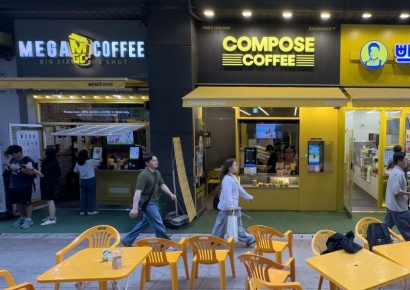 "Even on the Way to Work, There Are Lines at the 'Yellow Sign'... Mega MGC Coffee Achieves KRW 400 Million Sales Per Store with KRW 1,500 Coffee"
- "Can Hair Loss Now Be Treated With Injections?... Fierce New Drug Battle to Revive Dormant Follicles, K-Bio Heats Up"
- "Will This Really Become Another Jamboree?" 70 Billion Won Spent, but Just "Luxury Vinyl Greenhouses"?... Yeosu Islands Expo Opening Weekend Falls Flat
- "The Smart Newcomer Never Stops Working... This 'Rookie' Is Intimidating [Click e-Industry]"
- "My Husband Went to the Han River Every Night"... Private Investigator Reveals Hidden Stories Behind Running Clubs
Jinwoo Jeong, Seoul's welfare policy chief, stated, "For people with severe disabilities, the provision of medical care and support is an essential service needed to sustain daily life. We aim to create a residential facility model where users and their families can feel at ease."
© The Asia Business Daily. All rights reserved. Unauthorized AI training and use prohibited.