U.S. Energy Secretary: "Other Countries Will Join Efforts to Protect Passage Through Hormuz"
"Global trade should not be the sole responsibility of the United States"
"There may not be a nuclear deal with Iran"
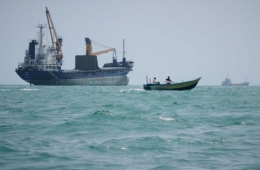
On September 6 (local time), U.S. Secretary of Energy Chris Wright urged U.S. allies and partner countries outside the Middle East to swiftly begin providing military support to protect the transportation of crude oil through the Strait of Hormuz.

In television interviews with CNN and Fox News that day, Secretary Wright stated, "Many vessels are passing through the strait, and U.S. military support is needed for this." He continued, "Iran continues to cause problems, but the U.S. Navy is winning that fight."
When asked whether U.S. military vessel escort operations in the Strait of Hormuz have become the 'new normal,' he replied, "As of today, yes." He went on, "I think other countries will join this effort in the future. Global trade is important, and this should not be the responsibility of the United States alone."
Secretary Wright also told Fox News that "many countries have contacted us, expressing their desire to cooperate and provide support."
He explained that, for now, the military assets participating in the operation besides those of the United States are provided by allies and friendly countries within the Middle East. He added, "We hope assets from countries outside the region will also be deployed and that this will happen soon."
He did not specify particular countries or methods of support. However, his remarks are interpreted as calling for increased military contributions from allies outside the Middle East to ensure navigational safety in the Strait of Hormuz. This statement draws attention as it comes at a time when the United States has been requesting countries like South Korea and other allied nations to play a bigger role in the region.
Secretary Wright also rebutted criticism that the oil transport figures in the Strait of Hormuz released by the Trump administration were excessively high compared to private sector estimates, insisting, "It is fact, not speculation."
Meanwhile, in an interview with ABC, Secretary Wright suggested it is possible that the United States and Iran may fail to reach a nuclear agreement and instead focus on using military means to neutralize Iran’s nuclear weapons development capabilities.
He said, "There may not be a nuclear deal," and added, "It could simply become a matter of destroying their nuclear weapons development capabilities." He continued, "A deal may have to wait for the next Iranian administration. We cannot know for sure."
Hot Picks Today
 Female Employees Stay Longer and Earn 112 Million Won on Average—This Bank Tops the 2026 Gender Equality Index in Finance
- "It's Not Property Tax, It's a Seoul Citizen Tax"... If Apartment Prices Continue, "All of Seoul Will Be Taxed by 2030"
- "New Freshmen Arrive Every Year, Ensuring Robust Demand" National Pension Service Invests as Major Players Pour KRW 1 Trillion into Student Dormitories
- World's First International Island Expo Opens in Yeosu, with 30 Countries Participating for 61 Days
- "Baseball Stadium's 'Chimaek Rule' Overturned: New Clean-Eating Food Trends Replace Greasy Classics"
However, Secretary Wright explained that President Trump still prefers a negotiated settlement and that military solutions would be used only if absolutely necessary.
© The Asia Business Daily. All rights reserved. Unauthorized AI training and use prohibited.





![KOSPI Weighed Down by Interest Rate Fatigue: Key Indicators to Watch This Week [Market ING]](https://cwcontent.asiae.co.kr/asiaresize/307/2026090415531616689_1788504797.jpg)