Company Executive Sentenced to Prison for Deleting 1,609 Work Files After Dismissal Notice
Suwon District Court Sentences Six Months in Prison
"Files Created Are Company Assets"
After receiving notice of dismissal from his company, a senior manager in charge of a project was sentenced to a prison term in the first trial for unauthorized deletion of over 1,600 work files that had been stored on his work laptop.
According to Yonhap News Agency and the legal community on September 5, Judge Kang Youngsun of the 14th Criminal Division of the Suwon District Court sentenced Mr. A, a man in his 60s, to six months in prison on charges including destruction of electronic records, violation of the Act on Prevention of Unfair Competition and Protection of Trade Secrets (such as disclosure of trade secrets), and breach of duty in the course of work. The court did not order immediate custody in consideration of opportunities for compensation and settlement with the victim.

From March 2022 to February 2023, Mr. A was a senior manager overseeing the construction project of an Indonesian refuse-derived fuel production plant for the victimized company. After being notified of his dismissal at the end of February 2023, he was prosecuted for allegedly damaging electronic records by arbitrarily deleting 1,609 work-related files from his company-provided laptop on April 10, 2023, just before returning it to the company.
During the trial, Mr. A argued, "Of the approximately 1,600 deleted files, 150 were my personal property rather than company assets, and I merely organized the folders and files I had used with Windows Explorer before returning the laptop after resignation, with no intention to intentionally destroy electronic records." However, the court determined that even if Mr. A had created the files, they were all company assets, and that his act of deleting them without authorization constituted destruction of electronic records.
The court stated, "The deleted files were electronic records under the company’s control and management, which the defendant possessed in the course of performing company work. According to company regulations, documents created within the scope of work duties are considered company assets. When the defendant was required to return the laptop, it is recognized that he deliberately deleted the data without consulting the company."
Hot Picks Today
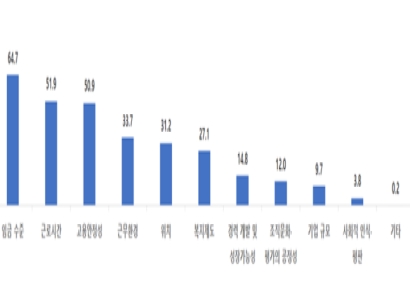 "Please Pay Me at Least 3 Million Won a Month": More Than Half of Young People Today Prioritize "Working Conditions" Over Company Size
- Selling Like Crazy Every Year... 30-Year-Old Hetbahn Takes on a New Challenge: Tastes Better Than "Mom's Home Cooking" [On-Site Report]
- "Is This Really Possible?" The World Is Watching... Could My Car Become a "Mobile ESS"? [Energy Odyssey] 15
- "Hey, Lady, Teach Your Kids to Behave!" ... 300,000 Won in Cash and a Bodily Injury Claim Demanded Over Child's Door Ding
- "Don't Trust This Woman": Documentary on 'Investment Scammer' Earns KRW 22 Billion in One Week
In addition, Mr. A was also found guilty of copying 68 files, including blueprints meant for submission to the client, onto a personal external hard drive before the mass deletion, which constituted unauthorized leakage of trade secrets. The court explained the sentencing rationale by stating, "There is a need for strict measures, as the defendant deleted a large volume of company work files and leaked socially and economically significant trade secrets without authorization," but also noted, "Consideration was given to the fact that the defendant is elderly, has no prior criminal convictions exceeding a fine, and the damage suffered by the victimized company does not appear to be excessive."
© The Asia Business Daily. All rights reserved. Unauthorized AI training and use prohibited.






![[Market ING] KOSPI Seeks Rebound in Superweek Packed with Corporate Earnings and FOMC](https://cwcontent.asiae.co.kr/asiaresize/307/2026102514484873155_1792907327.jpg)