Gimcheon City Wins Grand Prize at Gyeongbuk Regulatory Rationalization Contest
Improving Engineering Methods
Shortening Project Duration by One Year and Saving 2.4 Billion Won
Gimcheon City, located in North Gyeongsang Province, has been recognized for its achievements in regulatory innovation after overcoming the threat of a re-evaluation of investment screening, which arose from increased project costs in a major infrastructure project, through proactive interpretation of laws and improvements to engineering methods.

'Grand Prize Winner at the 2026 Gyeongsangbuk-do Regulatory Rationalization Best Practices Competition'
Photo by Gimcheon City
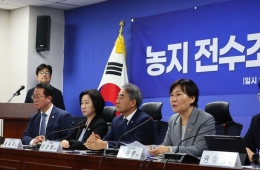
The city announced that it won the Grand Prize at the "2026 Gyeongsangbuk-do Regulatory Rationalization Best Practice Contest," held on the 25th at the multipurpose hall of the Gyeongsangbuk-do Provincial Office.
At the contest, the city presented a case study under the theme, "Turning an 8.41 billion won increase crisis into an opportunity to shorten the schedule by one year and save 2.4 billion won!"
This case stemmed from a situation where, during the fourth phase of the Gimcheon No.1 General Industrial Complex construction project, the total project cost increased by 8.41 billion won compared to the original estimate, resulting in a crisis of needing to undergo an investment review re-evaluation.
The city carefully analyzed the gap between clear provisions in existing laws and customary administrative practices and, through proactive legal interpretation and improvements to engineering methodologies, managed to shorten the project period by one year and reduce project costs by 2.4 billion won.
In particular, the judges highly praised the city for identifying customary administrative procedures as "shadow regulations" and taking steps to improve them.
Nakho Bae, Mayor of Gimcheon, stated, "We delivered results by not succumbing to habitual barriers at the field level and instead carried out thorough legal analysis and interdepartmental collaboration," adding, "We will continue to uncover hidden regulations and promote regulatory innovation that citizens and businesses can truly experience."
Hot Picks Today
 "I Went for the Cheap Coffee, but Now I Feel Uneasy"... Major Coffee Franchises Cited for Violations One After Another
- In Korea, Studying Medicine Is in High Demand, but in China, It's Shunned: "Why Become a Doctor When You Can’t Make Money?"
- "Surprisingly Real, Perfect Like AI" -- Global Media Praise Korean Fencer's Beauty
- "50 Million Won for Weekly Encounters"... Man in His 60s Sentenced for Deceiving Woman in Her 20s with Forged 1.4 Billion Won Account
- "I've Already Booked My Trip to Japan, But This Is Serious"...Highest Number of Measles Cases in Japan in a Decade Spurs Emergency Alert
As this is a case of transforming the crisis of an 8.41 billion won budget increase into a reduction in the project period and savings through regulatory innovation and improvements to engineering methodologies, it is expected to serve as a model of administrative innovation that the public can tangibly feel—moving beyond formal regulatory reform.
© The Asia Business Daily. All rights reserved. Unauthorized AI training and use prohibited.