Samsung BioLogics to Spend 2.7 Trillion Won on PolyPeptide Acquisition: Weighing the Pros and Cons
Cross-Contract Wins Expected From Existing Clients
PolyPeptide Group's Established Customer Base Provides Stability
Additional Facility Investment Remains a Burden
Samsung BioLogics has decided to raise KRW 2.7 trillion through a paid-in capital increase to finance its acquisition of PolyPeptide Group, drawing significant attention from the industry to the economic viability of this investment. Although a substantial amount of capital will remain needed even after the acquisition, some analysts view this as a strategic bet. This assessment is based on the potential to secure additional contract orders by combining Samsung BioLogics' existing client base with PolyPeptide Group's manufacturing capabilities.

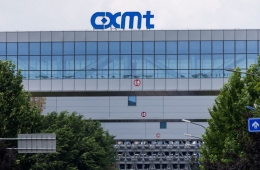
Incheon Yeonsu-gu Songdo Samsung BioLogics headquarters exterior view. The Asia Business Daily DB
View original imageAccording to the industry on September 2, among the customers for whom Samsung BioLogics has officially disclosed contract manufacturing and supply agreements, companies such as Eli Lilly, Pfizer, Roche, and MSD (Merck) are considered the most likely to generate synergy effects following the PolyPeptide Group acquisition. These firms possess pipelines based on peptides and glucagon-like peptide-1 (GLP-1). If Samsung BioLogics expands its contract development and manufacturing organization (CDMO) business to include peptides for its existing global pharmaceutical clients, it may also be able to pursue cross-contract orders.
A Samsung BioLogics representative stated, "Currently, GLP-1-based obesity treatments account for a significant portion of the peptide market and are growing every year," adding, "Moreover, as many companies continue to enter the obesity drug market, we see high potential for future growth as well."
Immediate Pipeline Gained Upon Acquisition

The main rationale Samsung BioLogics presented for this capital increase and acquisition is 'portfolio expansion.' The company aims to broaden its production portfolio, which has traditionally focused on antibody drugs, antibody-drug conjugates (ADC), and mRNA (messenger ribonucleic acid), to include peptides, thereby targeting a broader client base. Through this acquisition, Samsung BioLogics plans to actively leverage PolyPeptide Group's manufacturing sites in Sweden, Belgium, France, the United States, and India, as well as its expertise in peptide development and production.
The clients and project pipeline already secured by PolyPeptide Group are relatively stable. As of the end of last year, PolyPeptide Group reported approximately 250 pharmaceutical and biotech clients, with 196 ongoing development projects and 68 commercialization projects. Should drugs manufactured at the development stage receive product approvals in the future, these could translate into commercial manufacturing contract wins.
There are also positive assessments regarding the foundation for future revenue. As of the end of June, PolyPeptide Group's contract liabilities stood at about EUR 215.3 million (approximately KRW 343 billion). Contract liabilities refer to funds received in advance from customers for which products or services have yet to be provided, and thus have not been recognized as revenue. This indicates that PolyPeptide Group has secured a significant amount of upfront payments from clients, meaning that substantial revenue recognition is expected in the future.
Additional Facility Investment Is a Burden
On the other hand, the need for considerable additional capital after the acquisition is seen as a burden. Last year, PolyPeptide Group's capital expenditure (CAPEX) was about EUR 110 million, accounting for roughly 28% of its annual revenue. This was due to recent large-scale investments to expand production capacity. Even after the acquisition payment, it is highly likely that Samsung BioLogics will need to undertake further facility investments to respond to increasing demand.
Profitability also requires further improvement. Although PolyPeptide Group recorded EUR 8.69 million in operating profit last year, its final net loss, after factoring in financial costs, was EUR 21.17 million. However, in the first half of this year, the company posted an operating profit of EUR 21.98 million and a net profit of EUR 9.08 million, signaling a recent turnaround in profitability.
Ultimately, the economic value of this acquisition depends on how many additional orders Samsung BioLogics can secure by leveraging its current customer network, and how effectively PolyPeptide Group’s existing customers and projects translate into actual revenue and profit.
Hot Picks Today
 Despite "Insufficient Balance" Notices, They Board Anyway... Reports of Foreign Fare Evasion Mounting
- "If It Helps My Child's Studies, It's Worth Every Penny"... U.S. Parents Open Their Wallets for $10,000 Tests
- [Exclusive] "We Came for a KRW 140,000 Trip": Following Chinese Tourists in Korea Uncovers a 'Suspicious' Tour
- "I'm paying to stay, and you want me to do the laundry and dishes too?" ... Airbnb bans excessive cleaning demands
- "Baek Jongwon Had Been Quiet, Then Hit It Big"... Waits in the 100s in U.S. Despite KRW 46,000 Pork Belly
An industry insider commented, "There is a clear strategic value in preemptively seizing the steadily growing peptide market," but added, "Given the heavy burden of additional facility investments, if the expected contract synergies do not materialize, there could be ongoing debate over the investment efficiency of the KRW 2.7 trillion raised, as it might dilute shareholder value."
© The Asia Business Daily. All rights reserved. Unauthorized AI training and use prohibited.