[2026 Regular Assembly] ①First Regular Session for New Ruling and Opposition Leaders: Test of Cooperation vs Confrontation
Kim Minseok: "Legislative Action on Government Agendas" vs. Jang Donghyuk: "Checking the Administration"
September: Confirmation Hearings and Legislation → October: National Audit → Year-End: Budget Review
Clashes Expected Throughout the 100
The regular National Assembly session in September has begun, addressing the second year of policy tasks for the Lee Jaemyung administration. This session is the first major confrontation between the newly appointed leadership of both the ruling and opposition parties. Over the next 100 days, critical issues such as personnel hearings, government audits, and year-end budget reviews will unfold. This series will examine the main issues and prospects for this regular session, focusing on the legislative competition between the parties, government oversight, and the possibility of bipartisan cooperation in addressing people's livelihoods and the economy. <Editor's Note>

This regular National Assembly session marks a crucial juncture for the Lee Jaemyung administration to prove its capabilities with tangible results in its second year in power. The absence of any nationwide elections for one year and seven months before the 23rd general election scheduled for April 2028 presents an opportunity for the ruling party. It provides the government with a window to put policy initiatives into action without being swept up in the vortex of elections.
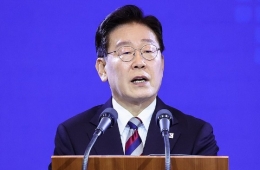
◆Test of Political Leadership for Both Parties=This session draws attention as it is the first regular National Assembly meeting where Kim Minseok of the Democratic Party of Korea and Jang Donghyuk of the People Power Party face off as party leaders. The ruling party must support the Lee Jaemyung administration's policy agenda through legislation and budgeting. The opposition party appears to be refining its strategy with a focus on keeping the dominant ruling party in check. Early in the session, debates are expected over personnel hearings following the cabinet reshuffle on August 30 and major legislative bills. Key events, including negotiation group addresses, government questioning, an October government audit, and year-end budget reviews, will continue to shape the political landscape. Whether the parties can find common ground on issues related to people's livelihoods and the economy is of particular interest.
◆Ruling Party: Legislating Policy Agenda vs. Opposition: Restoring Oversight=The Democratic Party aims to solidify the outcomes of the Lee Jaemyung administration's second year by backing its ongoing policy initiatives with legal and budgetary support. In particular, highly political bills such as judicial reform may be fast-tracked based on their parliamentary majority. At a party meeting on the 1st, Han Byungdo, Democratic Party floor leader, stated, "Just as Odysseus overcame countless obstacles to reach his home, Ithaca, the Democratic Party will press forward for the people and their livelihoods, undeterred by any obstacles or difficulties."
The People Power Party is tasked with restoring its oversight function as the opposition during personnel hearings and government audits. If necessary, a strategy to slow down the legislative process using parliamentary procedures such as filibusters is anticipated. Jeong Heeyong, Secretary-General of the People Power Party, warned, "If unilateral legislative overreach continues as before, public sentiment will inevitably grow more distant."
◆Inflation and Livelihood Economy: Will Bipartisan Cooperation Begin?=Both major parties are expected to deliver results in areas such as inflation, people's livelihood economy, support for small business owners, and strengthening industrial competitiveness. However, heightened clashes over politically sensitive issues like personnel and judicial reforms could impact legislation affecting people's livelihoods. The government audit, anticipated in October, is expected to become a battleground for party disputes. The final and most crucial contest of the session will be the review of the next year's budget, amounting to over 800 trillion won. The government and ruling party plan to focus fiscal resources on policy priorities such as artificial intelligence, future growth industries, support for youth and people's livelihoods, and region-led development to achieve the administration's goals.
Hot Picks Today
!["Please Teach Us the Technology"—Korea Once Sought Help from Japan... Now Threatens the Origin Country After 65 Years [Advance of K-Ramen]①](https://cwcontent.asiae.co.kr/asiaresize/93/2024110818333992902_1731058419.jpg) "Please Teach Us the Technology"—Korea Once Sought Help from Japan... Now Threatens the Origin Country After 65 Years [Advance of K-Ramen]①
"Please Teach Us the Technology"—Korea Once Sought Help from Japan... Now Threatens the Origin Country After 65 Years [Advance of K-Ramen]①
- "Just a Month After Joining, I Feel Older... My Company Won't Safeguard My Looks" Office Workers' Survival Tactics Go Viral in China
- Securities and Futures Commission Reports KOSDAQ IR Executive to Authorities for "Illicit Profit from Insider Information on New Drug Development"
- Born in 1990 With White Hair?..."Is It Dye or Gray Hair?" Spotlight on Yong Hyein's Bangs
- "Acting for 60 Seconds Earns 52 Million Won"... The True Identity of the Drama Protagonist Who Took Jobs from Actors
For this regular session, Kim Minseok faces the task of translating policy agendas into actual legislative and budget achievements, while Jang Donghyuk must check the ruling party's power and present the opposition's policy alternatives. As the session progresses through the October audit and year-end budget review, competition for legislative leadership between the parties is likely to intensify. However, if political disputes and livelihood issues can be separated to create space for cooperation, this regular session could mark a new starting point for the relationship between the ruling and opposition parties.
© The Asia Business Daily. All rights reserved. Unauthorized AI training and use prohibited.