Banners Dismissing Jeju Security Crisis as "Political Attack"... Kim Hangyu Downplays Public Concern
Public Anxiety Over Security Met With "Political Attack" Claims, Drawing Ire
Criticism Mounts Over Partisan Framing Amid Investigative Failures
Tourism Industry Acts for Safety... Politicians Shift Blame
Amidst heightened security concerns among Jeju residents following recent cases of disappearance and death, which exposed serious investigative errors by the police and a complacent response by the provincial government, Kim Hangyu, a National Assembly member of the Democratic Party of Korea (representing Jeju City District 2), has come under criticism for displaying banners throughout Jeju City that characterize the crisis as merely a "political attack." Critics argue that this act minimizes and distorts residents' legitimate safety concerns, reducing them to a matter of party strife.

A banner calling for a "Stop to Political Offensive" by Kim Hankyu, a member of the National Assembly from the Democratic Party of Korea, displayed along major roads in Jeju City. Criticism is rising that in a situation where the security system is collapsing and residents' anxiety is increasing, the core issue is being covered up with political conflict. Photo by Park Changwon.
View original imageHowever, local residents are responding coldly to these banners.
The anxiety currently gripping Jeju society is not a form of manufactured fear artificially created by any one political party.
Revelations that the police in charge of the case left 118 security CCTVs unmanaged for 96 days, leading to the automatic deletion of critical footage and the mishandling of the case's closure, have confirmed that the public security system is virtually collapsed.
To make matters worse, Jeju Governor Wi Seongon further amplified public fear by making a statement that effectively conceded defeat on public safety, saying, "Unsafe places should be visited in groups."
Faced with the stark reality of a tragic death and a breakdown in public security administration, the local representative has shifted the blame externally, dismissing residents' genuine fears as "politically motivated attacks" rather than offering an apology or tangible reforms.
In response, Assemblyman Kim's office explained, "This was meant as a rebuttal to what we consider political attacks by the opposition, including the People Power Party, which has described Jeju as a 'city of crime.'" However, it is difficult to avoid criticism that he is attempting to obscure the substance of a security collapse affecting residents' lives by reducing it to partisan warfare.
Attempts to resolve a public security vacuum through political maneuvering are completely out of touch with the desperate sentiment of the local community, whose livelihoods are now at risk.
As the crisis spirals out of control, Jeju's tourism and retail sectors—including organizations like the Jeju Tourism Association—held a press conference on August 31, declaring themselves "Safety Tourism Guardians" and launching an all-out effort to restore public safety on their own initiative.
Jeju is a so-called "political monopoly," with a single party holding all three National Assembly seats as well as the governorship.
Hot Picks Today
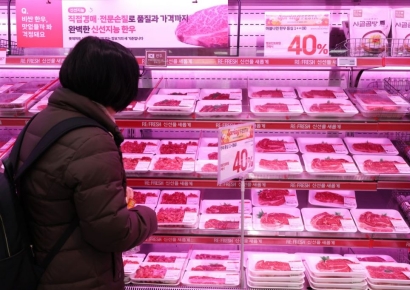 "I Wanted to Gift My Parents"... Beef Prices Soar Ahead of Chuseok
- "They Play With These All Day"...Hazardous Substances Found in Popular Elementary School Toys
- "Is It Okay to Sleep In on Weekends?"... Sleeping 1 Hour and 27 Minutes More Led to Surprising Results
- "Turned the Bus Around One Second Before the Bridge Collapsed"... Nepali Principal Saves Lives of 900 Students
- From 240,000 Won to 500 Million: The Incredible Twist of an Investment Rarer Than Winning the Lottery
Within local political circles, there is growing criticism that the behavior of lawmakers from this dominant party—hiding behind controversial "blame-shifting" banners instead of offering deep reflection or presenting effective solutions—reveals a stark example of the complacency and lack of urgency that currently characterize Jeju's political scene.
© The Asia Business Daily. All rights reserved. Unauthorized AI training and use prohibited.