Jo Inchul Appointed Head of Democratic Party's 'Jeonnam-Gwangju Cultural Infrastructure Big Deal Task Force'
Minimizing Redundant Investments and Attracting Major Infrastructure
Plans for a 'Big Deal' Strategy in Place
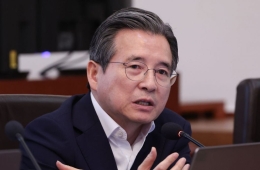
The Democratic Party of Korea is launching a special task force aimed at narrowing the cultural infrastructure gap in Gwangju and Jeonnam and establishing an ultra-wide cultural economic zone. Inchul Jo, a member of the National Assembly (representing Gwangju Seo-gu Gap), who previously worked in budgeting and economics at the Ministry of Economy and Finance and the Gwangju City Government, has been appointed as the head of this task force.
On August 31, Assemblyman Jo announced that he has been appointed as the head of the newly established 'Jeonnam-Gwangju Cultural Infrastructure Big Deal Task Force' within the Democratic Party.

The task force, established under the leadership of Democratic Party Chair Minseok Kim, is tasked with reducing the regional disparity in cultural infrastructure that is currently concentrated in the capital area. It will also devise strategies for the strategic placement and expansion of large-scale cultural, tourism, and arts facilities that can be jointly utilized by Gwangju and Jeonnam.
In particular, the task force plans to create a so-called 'Big Deal' strategy, aimed at minimizing redundant investments that may occur if Gwangju and Jeonnam pursue such projects independently. This strategy will consider the unique characteristics and strengths of each region and propose plans for attracting and jointly utilizing major cultural infrastructure across both areas.
Through these efforts, the aim is to connect Gwangju and Jeonnam into a single ultra-wide cultural economic zone and to expand cultural enjoyment opportunities for local residents. The focal point of the task force's discussions is expected to be which cultural and tourism infrastructure should be situated in which region, and how such facilities will be jointly utilized.
Assemblyman Jo previously worked in the fields of budgeting and economics at the Ministry of Economy and Finance, and served as Vice Mayor for Culture and Economy in Gwangju. The Democratic Party expects that, based on this experience, Assemblyman Jo will play a key role in coordinating the interests of Gwangju and Jeonnam, securing central government funding, and gaining institutional support through consultations with relevant government ministries.
Assemblyman Jo stated, "Although Gwangju and Jeonnam are a community that shares historical and cultural roots, fragmented investments to date have prevented the realization of sufficient synergy effects." He added, "This task force’s formation will go beyond simply building new facilities and become a successful case of 'region-led growth,' where localities plan and grow on their own."
He went on to say, "In close coordination with the party’s central office, local governments, and related ministries, we will soon present a groundbreaking blueprint for cultural infrastructure expansion that will be truly felt by the residents of Gwangju and Jeonnam."
Hot Picks Today
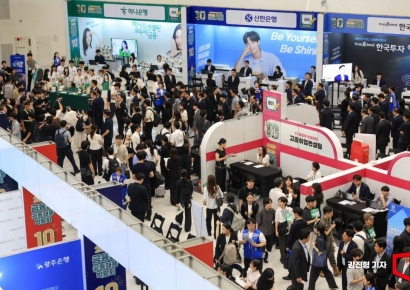 "I Need to Earn at Least 44.7 Million Won"... Half of Job Seekers Aim for Large Corporations
- Presidential Office's Kim Yongbeom: "Much Work Remains... But Now It's Time for the Next to Take Over"
- iPhone 18 Production Cost Jumps by 410,000 Won... "Even Xiaomi Prices Soar by 200,000 Won" as Phone Costs Surge in China
- Packed Crowds with “It’s So Cheap!”... Japan Travel by UK Millennials & Gen Z Surges 25% in a Year
- Chinese Lecturer Who Murdered Female International Student Identified as Jung Changseong, 31
Meanwhile, as soon as the task force completes the appointment of its members, it will begin full-fledged activities, starting with onsite visits in Gwangju and Jeonnam and policy meetings with local governments.
© The Asia Business Daily. All rights reserved. Unauthorized AI training and use prohibited.