Jeju's Unsold Homes Surpass 3,000 for the First Time Ever... 'Toxic Inventory' Hits Record High
3,303 Unsold Homes at End of July, Up 13.5% from Previous Month
Record 2,364 Units Remain Unsold After Completion
High Pre-Sale Prices and Location Limitations Cited as Main Causes
According to housing statistics for July released by the Ministry of Land, Infrastructure and Transport, the number of unsold homes in the Jeju region surged by 13.5% from the previous month to 3,303 units due to high pre-sale prices in urban areas and a contraction in subscription demand. This figure surpassed the 3,000-unit mark for the first time ever. In addition, the number of “unsold homes after completion,” known as problematic or “toxic” inventory, also reached an all-time high of 2,364 units, signaling a deepening slump in the housing market.

According to the “July 2026 Housing Statistics” released by the Ministry of Land, Infrastructure and Transport on August 31, as of the end of last month the total number of unsold homes in Jeju stood at 3,303 units (2,299 units in Jeju City and 1,004 in Seogwipo City), an increase of 394 units (13.5%) compared to the previous month’s 2,909 units.
This marks the first time in record-keeping history that the number of unsold homes in Jeju has exceeded 3,000 units, and it set a new all-time high for the second consecutive month.
In particular, “unsold homes after completion”—which are units that remain unsold after construction is finished, intensifying liquidity problems for construction and development companies—numbered 2,364 as of the end of July (1,367 units in Jeju City and 997 units in Seogwipo City), an increase of 25 units (1.1%) from the previous month, setting yet another record high.
This represents 71.5% of the total unsold housing inventory in the province, highlighting that this problematic stock has been accumulating and remains unresolved for an extended period.
The main reason for this sharp month-on-month increase in unsold homes is identified as a series of failed subscription rounds for newly supplied developments in recent months.
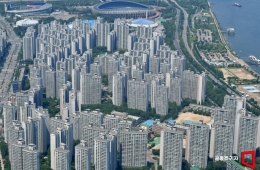
In urban areas, the pre-sale price for 84-square-meter (the so-called “national standard size”) units has soared to as high as 1.1 billion won, pushing these units out of reach for actual homebuyers, who have largely turned away. In rural towns and districts, new developments have reportedly struggled to attract buyers due to a lack of convenient facilities and limited accessibility.
Hot Picks Today
 "Bought It Cheaper in Japan Than Korea"... Improper Use Leads to Vomiting and Abdominal Pain, Official Warning Issued
- "They Look Just Like Chestnuts"...Carelessly Picking Them Up Could Be Dangerous: Avoid Eating These Street Fruits
- "Why Are So Many People Sick These Days?"... Flu Spreads Already, Three Weeks Earlier Than Last Year
- "You Want Kids to Wear This?"... Zara Halts Sales of 60,000-Won Halloween Costume After Backlash
- "Uncle Will Buy Them All for Wonie"... Men in Their 30s Sweep Up 600,000 'RESCENE Bread'
With high interest rates, economic slowdown, high pre-sale prices, and location disparities unfolding simultaneously, concerns are rising that it will take considerable time for buying sentiment in the Jeju housing market to recover and for unsold inventory to be reduced.
© The Asia Business Daily. All rights reserved. Unauthorized AI training and use prohibited.