Jinju City Sees Continued Increase in Births... Total Fertility Rate Also Rises
1,855 Births in 2025, a 9.6% Increase Year-on-Year
Ongoing Statistical Analysis Needed to Assess Policy Effects
Jinju City in South Gyeongsang Province recorded a total fertility rate of 1.005 for 2025, marking the highest level in the past six years. The number of newborns also increased compared to the previous year, continuing an upward trend for two consecutive years.
According to the '2025 Birth Statistics' released by the Ministry of Data and Statistics on August 26, Jinju City’s total fertility rate for the previous year was 1.005, an increase of 0.093 compared to 0.912 in 2024. This represents a growth rate of approximately 10.2%.
This is the highest level since Jinju City's total fertility rate reached 1.01 in 2019. The national average total fertility rate stands at 0.799, and the South Gyeongsang Province average at 0.88, meaning Jinju City exceeded both the national and provincial averages.
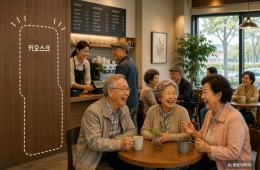
![[Photo provided by Jinju City] Jinju City's total fertility rate for 2025 has been recorded at 1.005, with the number of newborns showing an increasing trend for the second consecutive year.](http://www.asiae.co.kr/news/img_view.htm?img=2026083011014997655_1788055309.jpg)
[Photo provided by Jinju City] Jinju City's total fertility rate for 2025 has been recorded at 1.005, with the number of newborns showing an increasing trend for the second consecutive year.
View original imageThe total fertility rate is an indicator representing the expected average number of children that a woman will have during her reproductive years (ages 15 to 49). It is one of the key statistics for assessing the fertility level of a region.
The number of newborns also increased. Jinju City recorded 1,855 births in 2025, up by 162 from 1,693 in the previous year, reflecting a 9.6% rise.
The number of births in Jinju City increased for two consecutive years, from 1,666 in 2023 to 1,693 in 2024 and 1,855 in 2025. During the same period, the rate of increase in the number of newborns nationwide was 6.7%, and in South Gyeongsang Province it was 5.6%, indicating that Jinju City’s growth was relatively higher.
Jinju City’s crude birth rate, which represents the number of births per 1,000 people, was 5.5. This is higher than the national average of 5.0 and the South Gyeongsang Province average of 4.3.
The proportion of young people in Jinju City was also higher than the provincial average.
As of the end of July 2026, Jinju City's total resident registration population was 334,360, of which the youth population numbered 82,999, accounting for 24.82% of the total.
During the same period, South Gyeongsang Province’s total population was 3,199,742, with its youth population at 682,565, resulting in a youth proportion of 21.37%. Jinju City’s proportion of young people was 3.45 percentage points higher than the provincial average.
Jinju City explained that since 2023, it has maintained the highest proportion of young people among all cities and counties in South Gyeongsang Province.
To improve fertility and youth-related indicators, the city is pursuing population policies focused on six areas: marriage, pregnancy, and childbirth; child-rearing, education, and care; jobs and income; living environment; an aging society; and responses to demographic changes.
In 2025, a total of 315 population policy programs were implemented. Major initiatives included infertility treatment support for couples, wedding and childbirth congratulatory grants, welfare subsidies for young people employed by small and medium-sized enterprises, and examination fee support for youth certifications.
However, as further analysis is necessary to determine whether the recent increases in the number of newborns and total fertility rate are the direct results of specific policies, it will be important to monitor additional statistical trends to assess whether this upward trend will continue.
A city official stated, "The increase in the number of newborns and the total fertility rate is a meaningful change despite the structural challenge of population decline," and added, "We will continue to pursue population policies for young adults, newlyweds, and families raising children going forward."
Hot Picks Today
 "Is This Serious? Should I Go Back to Korea?"... New U.S. Internship Guidelines Put International Students on Edge
- "My Salary Stays the Same, But Food Costs Keep Rising"... Hesitating to Cook Squid Stir-Fry and Grilled Mackerel
- [Breaking] President Lee Nominates Assemblywoman Yong Hyein as Minister of Gender Equality
- "10 Billion Won for Married Employee Couples?" Flood of Questions... An Inside Look at Samsung Electronics' 1.5% Annual Home Loan Up to 500 Million Won
- "Are Smokers Prisoners?"... Controversy Erupts Over 'Caged Smoking Area' in Downtown Taipei
The rising trends in Jinju City’s total fertility rate and number of newborns are noteworthy. However, it is difficult to draw definitive conclusions about the effectiveness of policies based on a single year’s statistics. The key challenge is whether this rebound in fertility rates can become a lasting trend, leading to young people settling in the area and sustaining higher birth rates.
© The Asia Business Daily. All rights reserved. Unauthorized AI training and use prohibited.